Pay by Mobile Casinos UK: How Deposits Work
 Available in GB
See how mobile charges fund casino balances, which payment options are available and why withdrawals are usually handled separately.

Table of Contents
- How Pay-by-Mobile Casinos Work in the UK
- Payment Methods Available at UK Casinos
- Casino Sites That Accept Pay by Mobile Deposits
- Mobile Slots Paid by SMS: What the Payment Covers
- Pay-by-Mobile Casinos and the UK Gambling Rules
- Pay-by-Mobile Casinos Not on GamStop
- Why Pay-by-Mobile Withdrawals Usually Go Elsewhere
- Small Deposits, £3 Searches and New Mobile Casino Accounts
- Choosing a Pay-by-Mobile Online Casino in the UK
- When Casino Deposits Appear on the Phone Bill
- Pay-by-Mobile Slot Sites Without Boku
How Pay-by-Mobile Casinos Work in the UK
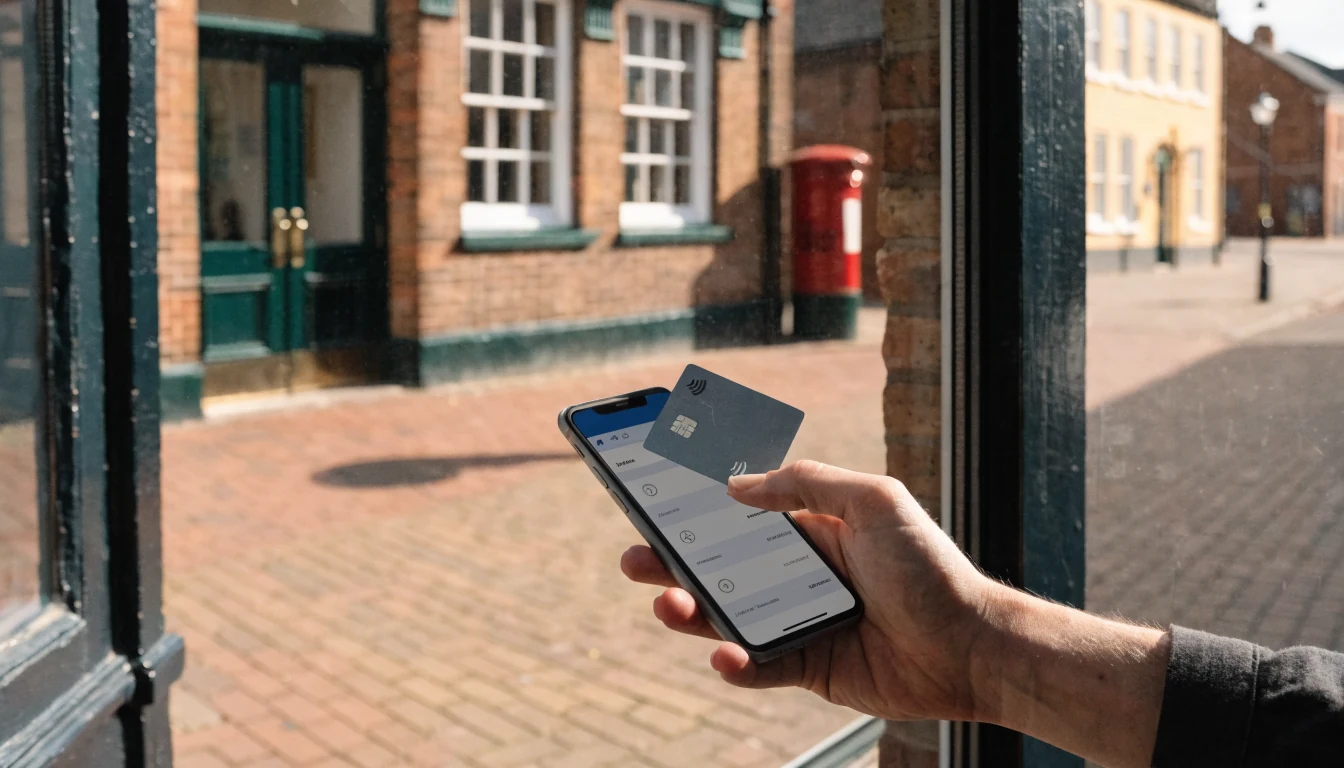
A pay-by-mobile casino is an online casino where the deposit is charged to a mobile phone account rather than taken directly from a debit card or bank account. In the UK, the label usually refers to Pay by Mobile services such as Boku. The phone is used as the payment route; it is not a separate type of casino game, licence or account.
The distinction matters because the wording can sound broader than the service really is. A casino with Pay by Mobile normally means that the payment option is available at the deposit stage. It does not mean that the phone bill becomes a complete banking facility for the gambling account. Pay by Mobile is generally a deposit-only method.
What happens when a deposit is made
The process is built around the mobile number. At the casino cashier, the player selects Pay by Mobile, enters or confirms the requested details, and authorises the charge through the mobile service. The approved amount is then added to the casino balance, while the charge is passed to the relevant phone account.
This page highlights UK-licensed operators for readers exploring pay by mobile casinos in the UK in 2026. Use the listed bonus, payout-time and minimum-deposit details as a quick starting point when reviewing your options.
License: UKGC Operator Licence · Bonus: £200 welcome bonus · Payout speed: Within 48 hours · Min. deposit: £10 32Red is a UKGC-licensed operator offering a £200 welcome bonus. It has a £10 minimum deposit, with payouts stated as being processed within 48 hours.
License: UKGC Operator Licence · Bonus: £100 bonus · Payout speed: Within 24 hours · Min. deposit: £10 ProgressPlay Limited holds a UKGC Operator Licence and offers a £100 bonus. Its minimum deposit is £10, while payouts are stated as being processed within 24 hours.
License: UKGC Operator Licence · Bonus: £100 bonus · Payout speed: Within 24 hours · Min. deposit: £10 Genesis Global Limited is UKGC-licensed and offers a £100 bonus. It accepts deposits from £10, with payouts stated as being processed within 24 hours.
License: UKGC Operator Licence · Bonus: £100 bonus · Payout speed: Within 24 hours · Min. deposit: £10 LeoVegas is a UKGC-licensed operator with a £100 bonus. It has a £10 minimum deposit and states that payouts are processed within 24 hours.
License: UKGC Operator Licence · Bonus: £20 bonus · Payout speed: Within 48 hours · Min. deposit: £10 Silverbond Enterprises operates under a UKGC Operator Licence and offers a £20 bonus. The minimum deposit is £10, with payouts stated as being processed within 48 hours.
License: UKGC Operator Licence · Bonus: £50 bonus · Payout speed: Within 48 hours · Min. deposit: £10 Platinum Gaming Limited is UKGC-licensed and offers a £50 bonus. It has a £10 minimum deposit, while payouts are stated as being processed within 48 hours.
With Boku, for instance, the deposit is charged to the phone bill. This may mean a postpaid bill, depending on the mobile arrangement, or a reduction in available balance for a supported prepaid service. The important point is that the gambling deposit is recorded through the mobile account rather than as a conventional card transaction.
The amount is not unlimited in the practical sense. Pay-by-mobile services are intended for small deposits, and the minimum deposit at UK gambling sites typically ranges from £5 to £10, regardless of the payment method. A mobile-bill deposit therefore suits a modest account top-up more naturally than a large transfer.
Small, contained payments. That is the design.
The casino balance is credited only after the payment has been authorised. If the mobile service declines the charge, the casino does not receive the deposit. A failed attempt may result from the phone account, the payment provider, the casino’s own cashier settings or eligibility restrictions attached to the mobile service. The payment label alone does not guarantee that every account or every network will be accepted.
What “Pay by Mobile” means at a UK casino
The phrase is deliberately plain. It describes the funding channel, not the legal status of the operator and not the way winnings will later be collected. A pay-by-mobile casino UK page may therefore show the option beside other deposit methods, but the presence of the logo does not turn the casino into a mobile-network service.
There are three separate relationships in the background:
- the player and the casino account;
- the player and the mobile provider;
- the casino and the Pay by Mobile payment provider.
The casino needs to identify the account being funded. The payment provider needs to authorise the phone-bill charge. The mobile provider records or collects that charge under its own billing arrangement. These relationships meet at the deposit, then separate again.
That is why a casino pay by mobile option should not be read as a promise that all later transactions will follow the same route. The method is primarily a bridge into the casino balance.
Depositing by phone is not withdrawing to a phone
The most important practical distinction is between putting money in and taking winnings out. Pay by Mobile and Paysafecard are deposit-only methods. A winning balance cannot normally be sent back to the mobile bill as a reversal, phone credit or equivalent cash payment.

Withdrawals are therefore handled through another approved method. The casino may require the player to select a bank or other eligible payout route, subject to its account procedures. The original mobile-bill deposit does not create a matching withdrawal channel.
This is sometimes obscured by the compact language used in cashier menus. “Pay by Mobile” appears as one option, and “withdraw” appears elsewhere, so the two can look like opposite directions of the same service. They are not. The payment method funds the account; it does not function as a wallet for receiving casino winnings.
The same principle applies when a search describes an “online casino with Pay by Mobile”. The phrase identifies a way to deposit online. It says nothing, by itself, about payout speed, available withdrawal methods, verification or the operator’s licensing position. Those are separate questions, and attaching them to a payment logo would be a tidy way to create confusion.
Why the method appeals to some players
A mobile-bill deposit removes the need to enter card details at the point of payment. For a person whose mobile account is already familiar and available, that can make a small top-up feel administratively lighter. The charge also appears within the mobile billing relationship rather than as a debit-card entry.
Payment Type Deposit-only via mobile bill
Typical Minimum £5 to £10
Common Provider Boku
But convenience has a narrow shape here. The method is designed around small deposits, and its main function ends once the casino balance has been funded. It is not a substitute for a general payment account, nor a reason to assume that the casino will pay winnings through the phone provider.
The UK version of the model is therefore best understood as a limited deposit channel: a phone-bill charge used to place funds into an online casino account, with withdrawals dealt with elsewhere. The name is short. The boundary is the useful part.
Payment Methods Available at UK Casinos
The UK casino payment landscape is less exotic than promotional language sometimes suggests. Most deposits still begin with a debit card, while e-wallets, open banking and bank transfers serve particular purposes around that central habit. Pay by mobile sits at the edge of this system: useful for a small deposit where supported, but not a replacement for every route in the cashier.
Debit cards remain the default
Visa and Mastercard debit cards are the most widely accepted payment option at UK gambling sites. Their appeal is practical rather than glamorous. A debit-card deposit is usually processed instantly, and the method is familiar to both the bank and the casino. There is no separate wallet account to open and no additional payment balance to manage.
That broad acceptance explains why debit cards remain the normal starting point for casino funding. The payment is taken directly from the bank account, the casino records the deposit immediately, and the same card may later be used for an approved return through Faster Payments. It is a straightforward arrangement, which is often precisely what people want from a financial transaction.
The UK market does not permit credit card gambling. That leaves debit cards as the ordinary card-based route, rather than one option among identical card products. The distinction matters: a debit card spends available money, while credit-card gambling would place the transaction against borrowed funds.
Player fees are uncommon at reputable UK sites, although a bank or payment provider can have its own terms. The casino cashier therefore needs to be read as part of a wider chain, not as the whole financial story.
E-wallets are built for cashouts
PayPal, Skrill and Neteller operate differently from cards because money is held in a separate online account before it reaches, or leaves, the casino. They are popular for cashouts because they typically settle faster than card refunds once a withdrawal has been approved.
This makes an e-wallet particularly suited to players who expect the payment route to work in both directions. The casino still has to approve the withdrawal, and the account may need verification, but the wallet itself is designed to receive funds. That is the important distinction from payment methods whose role is mainly to fund play.
PayPal deposits at gambling sites are processed instantly. Skrill and Neteller withdrawals often process within 24 hours or faster. Those details give e-wallets a different character from the familiar debit card: the card is broadly accepted for deposits, while the wallet is often chosen for the movement of winnings after approval.
There is a small administrative price for this convenience. The wallet account must match the player’s details, and a PayPal deposit cannot be made from a third-party account. Financial systems are fond of identity. They become even fonder when money is leaving.
Open banking moves money directly
Trustly and other open-banking services transfer money directly between a player’s bank and the casino without requiring card details. The casino payment page connects to the bank, the account holder authorises the transaction, and the deposit can appear in the gambling account as quickly as a card deposit.
Most widely accepted and processed instantly via bank account.
Popular for faster cashouts (e.g., PayPal, Skrill).
Direct bank-to-casino transfers without card details.
The attraction is neither a separate wallet nor a phone-bill charge. It is the direct relationship with the bank account. Open banking can be useful where a player does not want to enter card details or maintain an additional e-money balance.
The method also illustrates why “instant” needs a little discipline. An instant deposit describes the arrival of funds in the casino account; it does not turn every later withdrawal into an instant cashout. Approval, account checks and the selected payout route remain separate matters.
For payment comparisons, open banking therefore belongs between cards and e-wallets. It can match a card for deposit speed, while its bank-to-bank structure makes it distinct from both card payments and stored-value wallets.
Bank transfers suit larger sums
A bank transfer is the least hurried route in this group. It is the slowest payment method, but it is straightforward for larger sums and does not depend on card acceptance or a separate e-wallet balance.
That trade-off is easy to understand. A bank transfer involves the banking system on its own timetable, whereas a card deposit or open-banking payment can appear in the casino account much sooner. The slower route may still make sense when the amount or personal preference matters more than speed.
The same logic applies to withdrawals. Bank transfer payouts typically take longer than e-wallet cashouts, while debit-card withdrawals are returned via Faster Payments. The cashier may display several choices, but they do not perform the same job.
Where pay by mobile fits
Pay by mobile options such as Boku allow small deposits charged to a phone bill. In the wider payment landscape, this is a narrow funding tool rather than a universal casino account. It can be convenient when a phone account is the preferred source for a small payment, but it does not replace the broad acceptance of a debit card or the cashout function of an e-wallet.
A sensible comparison therefore separates three questions: how quickly a deposit appears, whether the method can receive a withdrawal, and whether it suits a larger payment. Debit cards answer the first two reasonably well; e-wallets are especially useful for approved cashouts; open banking connects directly to the bank; transfers prioritise simplicity for larger sums; pay by mobile is more limited.
No single cashier option wins every category. That would be a suspiciously tidy financial system.
Casino Sites That Accept Pay by Mobile Deposits
Finding casino sites that accept pay by mobile deposits sounds like a simple matter of spotting a phone icon at the cashier. In practice, acceptance is a site-level condition. A payment method may be available in the United Kingdom at one operator and absent at another, even when both offer broadly similar casino services. The relevant question is not whether Pay by Mobile exists in general, but whether the particular casino displays it for the account, location and deposit stage.
Verification Requirements
Before gambling or withdrawing, players must undergo identity verification. This process typically completes within 24 to 48 hours and requires players to be at least 18 years old and based in the UK.
Pay by Mobile is designed for funding an account rather than moving winnings back to a phone account. Services such as Boku allow small deposits charged to a mobile phone bill. The charge may therefore appear through the mobile account instead of as a conventional card or bank transaction. It is a neat piece of financial housekeeping, although the bill is still waiting at the end of the month.
What acceptance means at the cashier
Online casino sites that accept Pay by Mobile deposits normally show the option after the player has selected a deposit amount and opened the payment section. The available route may be labelled Pay by Mobile, with Boku shown as the provider. The wording and layout can differ between operators, so the presence of a general mobile-payment logo elsewhere on a website is not enough to establish that deposits are supported.
A genuine acceptance check should establish several points:
- the casino is serving customers in the UK;
- Pay by Mobile appears among the available deposit methods;
- the method is available for the account, rather than merely mentioned in general payment information;
- the deposit is charged to the eligible mobile account;
- the method is marked as deposit-only where the cashier provides that information.
This distinction matters because payment pages often contain a mixture of methods used for different purposes. A site may support cards, e-wallets and bank payments while offering Pay by Mobile only as a limited funding route. The payment label describes what can happen at that particular cashier, not a permanent promise across every account.
UK availability is not automatic
Casino sites that accept Pay by Mobile in the UK must be assessed in the context of the UK account journey. The payment option may depend on the player being based in the UK and meeting the operator’s account requirements. It should not be treated as an international feature that transfers unchanged from another market.
The operator also needs to provide the normal account controls before gambling activity is treated as routine. Players must be at least 18 and based in the UK. Identity verification is part of the process, and most verifications complete within 24 to 48 hours. A payment method does not remove those checks. Nor does a mobile-bill deposit turn an unverified account into a completed one by some administrative magic.

For that reason, a casino that accepts Pay by Mobile deposits should be judged by the entire payment journey, not by the existence of one button. The cashier should make the deposit route clear, while the account should explain what information is required and how verification affects later transactions.
The practical limits of mobile-bill funding
Pay by Mobile is principally useful for a small initial or supplementary deposit. It is not a complete banking service attached to a casino account. Pay by Mobile and Paysafecard are deposit-only methods, so withdrawals are paid to another method. Any site describing the mobile route as a way to receive winnings is presenting the method inaccurately.
The alternative payout route may be an e-wallet, card or bank method accepted by the operator. Processing times vary by payment method, with e-wallets generally faster than bank and card methods. A pending withdrawal period of 24 to 72 hours applies at most sites, and verification can affect when a withdrawal is released. Those are separate stages from the mobile deposit itself.
This creates a practical division:
| Stage | Pay by Mobile |
|---|---|
| Funding the casino account | Available where the site supports it |
| Charge destination | Eligible mobile phone bill |
| Receiving winnings | Not supported |
| Later withdrawal | Requires another accepted method |
| Account verification | Still required |
The table is less glamorous than a payment banner. It is also more useful.
Checking a site before depositing
A clear cashier is the first sensible test. If Pay by Mobile is not displayed among the available UK deposit methods, the casino should not be described as accepting it merely because a third-party page or old promotional reference mentions the brand. Payment arrangements change, and availability belongs to the current operator account.
The operator’s regulatory details matter as well. Online gambling services offered to consumers in Great Britain require a UKGC-licensed operator. The UK Gambling Commission maintains a public register of current operating licences, allowing the operator name or licence number to be checked against the listed domain. This does not make Pay by Mobile available, but it helps separate a functioning UK casino payment page from a vague promise attached to an unrelated site.
The strongest description is therefore precise: the casino accepts Pay by Mobile for eligible UK deposits, the charge is made through the mobile account, and winnings must leave through another approved method. Anything broader confuses a narrow cashier function with a complete payment account.
Essential Summary
- Pay by Mobile is primarily a deposit-only method.
- Winnings cannot be sent back to a mobile phone bill.
- UKGC licensing is required for all legitimate operators.
- Verification is mandatory regardless of the payment method.
Mobile Slots Paid by SMS: What the Payment Covers
The phrase “mobile slots paid by SMS” sounds more dramatic than the transaction usually is. In the UK, it generally describes a Pay by mobile deposit made through a phone account, with the amount charged to the bill or deducted from available mobile credit. The payment route funds an online casino balance; it does not turn the handset into a slot machine, nor does an SMS itself alter how the games work.
Once the deposit is credited, the balance can be used in the casino’s online slots section in the same way as other real-money funds. The distinction lies in how the money enters the account. A player may be looking specifically for casino slots paid by mobile, while the operator’s cashier may label the option Pay by mobile, with Boku among the services that can support this type of transaction.
What the payment covers
A mobile-bill deposit covers the transfer into the gambling account. It does not purchase a particular slot, a guaranteed number of spins or a separate SMS game. The casino balance is what pays for play, subject to the operator’s own game and account conditions.
This matters because “slots pay by mobile” can be read in two different ways. It may refer to the payment method used to fund slot play, or it may suggest that the slots themselves are billed through a phone network. The first meaning is the practical one. The phone is the funding channel; the games remain online casino games.
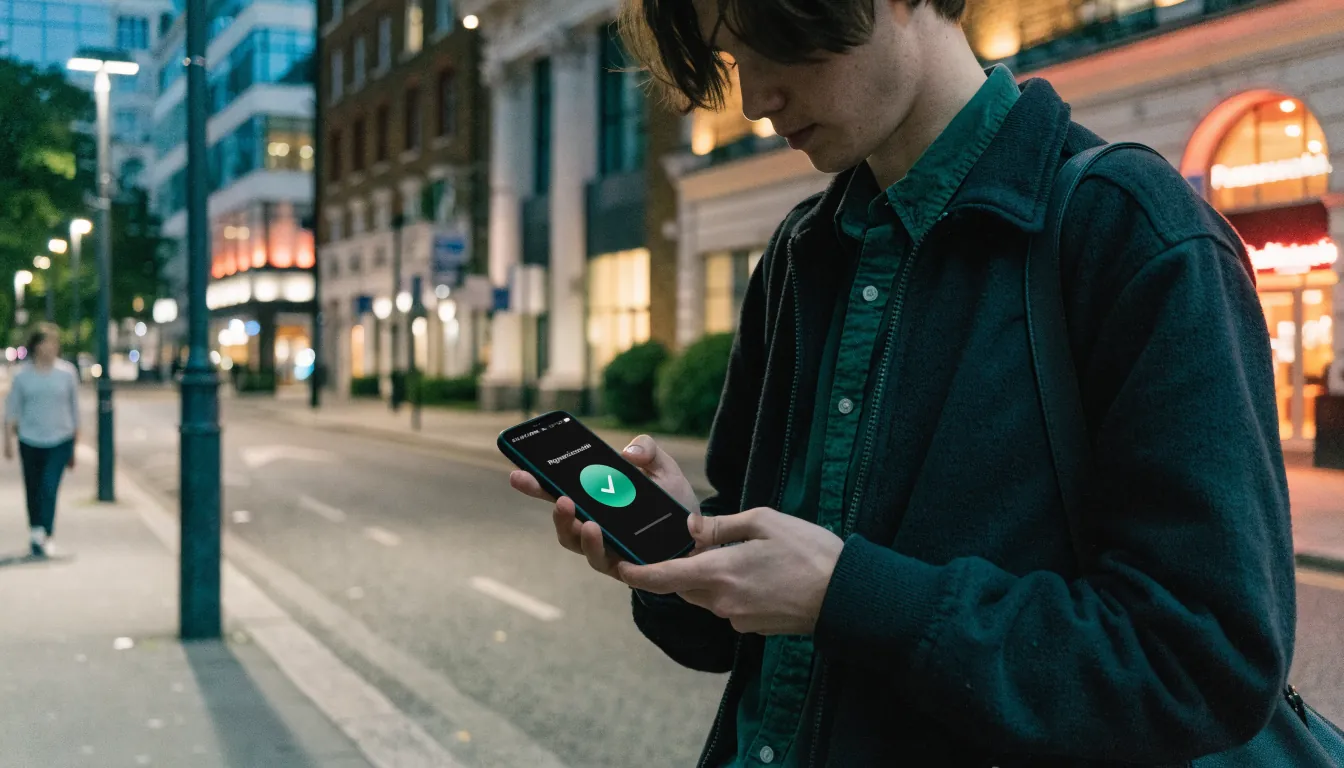
The same applies to searches for online slots that accept mobile payments. Acceptance is a cashier feature, not a special category of slot. A site may offer the method for casino deposits while presenting a normal catalogue of slots, without creating a separate group of mobile-only games. The phone supplies the balance. The reels remain indifferent.
Small deposits and slot play
Pay by mobile is associated with small deposits charged to a phone bill. That makes the method relevant when a player wants to fund a modest slot session without entering card details. It is a narrow convenience rather than a replacement for every casino payment route.
For comparison, debit-card minimum deposits typically range from £5 to £10, and minimum deposits generally fall within the same range regardless of payment method. A mobile option may therefore appeal to someone looking for a smaller, straightforward way to fund an account, but the availability of a particular minimum is determined by the casino’s cashier. The payment brand does not automatically establish the threshold.
The charge also belongs to the mobile account rather than appearing as a conventional debit-card transaction. That can make the payment feel immediate and separate from everyday banking, although the casino balance still records it as a deposit. A small screen and a short confirmation message do not make the financial decision smaller.
SMS wording and the actual limitation
“Pay by SMS” is often used loosely for phone-bill funding, even when the process is handled through a dedicated Pay by mobile service rather than a simple text message. The important detail is the destination of the charge: the mobile account, not a card or bank account.
Deposit-Only Limitation
Attention Pay by Mobile services like Boku are designed for funding accounts only; they cannot be used to withdraw your winnings.
The more consequential limitation is that these services are generally deposit-only. They are designed to put funds into the casino balance, not to return winnings through the same route. That restriction is part of the payment model, even when the search wording gives the method a broader role.
For slot players, the practical sequence is therefore simple: a Pay by mobile deposit enters the casino account, the balance can be used for eligible online slots, and the payment method itself does not define the games. It is a funding door, not a slot feature.
Pay-by-Mobile Casinos and the UK Gambling Rules
Pay-by-Mobile sits inside the same regulatory framework as every other online casino payment route in Great Britain. The payment label does not create a separate legal category, and a mobile-bill deposit does not make an operator exempt from the rules. For online gambling, the central question is whether the operator holds the appropriate UK Gambling Commission permission.
The Gambling Act 2005 remains the primary legislation governing gambling in Great Britain. The UK Gambling Commission, established under that Act and given full powers in 2007, issues operating, personal and premises licences. A remote operating licence is required for online casino activity. In plain terms, an operator based elsewhere still needs the relevant UKGC licence when providing online gambling services to consumers in Great Britain.
The credit-card boundary
The most visible payment rule is the prohibition on credit card gambling. UK casino payments cannot be funded by credit card since April 2020. That restriction applies regardless of whether the casino also advertises Pay by Mobile, debit cards, e-wallets or other deposit routes.

Pay by Mobile therefore cannot be presented as a way around the credit-card ban. It is a different funding mechanism, generally linked to a phone account rather than borrowed card credit. The legal distinction matters because payment convenience has never been a substitute for affordability controls. A small charge can still be gambling expenditure. Bureaucracy, in this case, is merely refusing to be impressed by the size of the button.
Licence visibility matters
A UKGC-licensed casino should make its licence details visible. The regulator maintains a public register of current operating and personal licences, allowing the operator name or licence number to be checked against the listed domain. This is more useful than relying on a logo placed in a footer, where symbols often become decorative wallpaper.
The register helps establish whether the business named on the casino site matches the business authorised to provide remote gambling. It also gives the payment question its proper context: an available mobile-bill option is not evidence that the casino itself is authorised for UK play.
Identity checks before gambling proceeds
Payment compliance is also tied to identity. Operators assess who is using the account, and most verifications complete within 24 to 48 hours. UK rules require players to be at least 18 and based in the UK, while identity checks are part of the operator’s wider responsibility.
The first withdrawal cannot be allowed before KYC verification. Operators should not wait until a withdrawal request appears before asking for identity documents. This prevents a familiar unpleasant surprise: an account accepting deposits smoothly, then discovering that the person behind it has somehow become administratively invisible.
A pending withdrawal period of 24 to 72 hours applies at most sites, and standard withdrawal limits may be £10,000 per day or £50,000 per month. Those limits are account conditions, not evidence that Pay by Mobile itself supports cashing out. Payment method and regulatory status remain separate questions.
- Check the cashier for specific Boku or mobile availability.
- Verify the operator’s UKGC licence on the public register.
- Use e-wallets or cards for faster withdrawal processing.
- Assume mobile deposits allow for instant cashouts.
- Expect to receive winnings back on your phone bill.
- Treat a mobile payment logo as a guarantee of all service features.
Pay-by-Mobile Casinos Not on GamStop
Pay by Mobile and GamStop describe different things. Pay by Mobile is a funding route: services such as Boku can charge a small deposit to a phone bill. GamStop is a self-exclusion service. One does not identify the other.
That distinction matters because payment availability cannot establish an operator’s GamStop status. A casino may display Pay by Mobile while its relationship with GamStop must be considered separately. The payment label is not a protection-status label. Conveniently ambiguous, as labels sometimes are.
Pay by Mobile is also deposit-only. Winnings cannot be returned to the phone account through the same route; withdrawals are paid by another method. The presence of a mobile-bill deposit option therefore says nothing about whether an operator accepts, rejects or falls outside GamStop.
GamStop status and payment method should remain separate checks. One concerns exclusion from participating gambling operators; the other concerns how an account is funded. Confusing them turns a modest payment feature into a conclusion it cannot support.
Why Pay-by-Mobile Withdrawals Usually Go Elsewhere
A pay-by-mobile casino withdrawal in the UK normally cannot return to the phone account used for the deposit. Pay by Mobile is a deposit-only method: it can fund the gambling account, but it is not the route for receiving winnings. The same principle applies to Paysafecard. The payment label may sound like a complete banking solution; in practice, it is a narrow entrance, not an exit.
That arrangement reflects how the transaction is structured. A mobile-bill charge is designed to collect a relatively small deposit through the phone account. Paying winnings back through that channel would not provide the same type of casino settlement as a bank or e-wallet transfer. The casino therefore needs another verified destination before a withdrawal can be completed.
What happens after a withdrawal request
The casino may require account verification before releasing funds. Once the account has been verified, an e-wallet such as PayPal, or an open-banking service such as Trustly, is usually among the quickest payout routes. These methods often pay within a few hours after verification.
A debit-card withdrawal follows a different path. UK debit-card withdrawals are returned via Faster Payments and typically arrive the same day to a couple of working days. The deposit being made through a phone bill does not change that destination rule: the approved withdrawal is sent to the eligible card or bank-linked route held on the account.
The phrase “fast withdrawal” therefore needs careful handling. A pay-by-mobile casino cannot make the mobile-bill method itself a fast cashout option when that method is deposit-only. Speed depends on the alternative payment method, the completion of verification and the casino’s processing stage. Small print, as ever, does the heavy lifting.
For a pay-by-mobile casino review in the UK, the useful question is not whether the phone-bill deposit can be reversed. It generally cannot. The practical question is which verified withdrawal method is available, and how quickly that method normally settles after approval. Pay by mobile gets money into the account; another channel brings it out.
Small Deposits, £3 Searches and New Mobile Casino Accounts
For a new mobile casino account, the deposit threshold matters more than the payment label. A player may want to fund an account through Pay by mobile, but the casino still sets its own minimum deposit. The method does not automatically create a special low-deposit offer.
Across UK online casinos, minimum deposits typically range from £5 to £10, regardless of payment method. That makes a £5 starting point plausible at some sites, but it does not turn every Pay by mobile casino into a £5-deposit casino. Conditions remain site-specific.
Minimum Deposits
While some searches mention £3, the standard minimum deposit at most UK gambling sites typically ranges from £5 to £10.
What a £3 minimum deposit means
A £3 figure can appear in searches for mobile casino payments, particularly where the charge is intended to be small and added to a phone bill. It should not be treated as a standard UK minimum. The verified market range begins at £5, so a particular £3 offer would need to be stated clearly by the operator rather than assumed from the payment method.
The same distinction applies to phrases such as “no deposit”. A no-deposit promotion, where available, is a promotional condition—not proof that opening an account or using Pay by mobile normally requires no funding. A £5 deposit and a no-deposit offer describe different arrangements.
New accounts and low funding limits
A new account may display a minimum deposit before the payment is confirmed. That figure can vary by method. Bank transfers, for example, may carry a higher minimum, occasionally reaching £20 or more. A mobile-bill payment may be intended for smaller account funding, but the casino’s cashier remains the deciding point.
This is why claims about “new Pay by mobile slots with no deposit” need careful reading. The wording can combine three separate ideas: a new casino account, a mobile payment route and a promotional offer. None of those terms alone establishes a £3 minimum, a £5 minimum or free play.
The practical question is less glamorous: what amount does the cashier accept, and under what deposit condition? That is the useful information. Search-friendly arithmetic can wait.
Choosing a Pay-by-Mobile Online Casino in the UK
Choosing a pay-by-mobile online casino in the UK is less about finding a grand title such as “best” or “top” and more about checking whether the payment route fits the rest of the account. A phone-bill deposit may be convenient for funding mobile casino games or online slots, but the operator’s handling of verification and withdrawals matters just as much.
What to check before depositing
Licence visibility comes first. An operator serving consumers in Great Britain must hold a remote operating licence from the UK Gambling Commission. A suitable casino should display its UKGC licence details, allowing the operator name or licence number to be checked against the Commission’s public register. The listed domain should match the site being used. A logo without a verifiable entry is decoration, not evidence.
Verification should be clear before money moves. Most verifications complete within 24 to 48 hours. The process may involve identity information and supporting documents, so the payment page should not be the only part of the account explained plainly. A casino that treats KYC as a surprise at the cashout stage has designed the journey backwards.
Read the deposit conditions. Pay by mobile is generally intended for depositing rather than receiving winnings. The casino should state the method’s availability, any applicable account restrictions and the conditions attached to the transaction before confirmation. This is particularly important when the aim is to play mobile casino games paid through a phone bill rather than use a bank-funded account.
Check the cashout route separately. E-wallets such as PayPal and open banking services such as Trustly are usually among the quickest payout options after verification, often paying within a few hours. Withdrawal processing varies by method, with e-wallets generally faster than bank and card routes. The deposit method, therefore, should not be mistaken for the complete payment cycle.
A workable pay-by-mobile casino is transparent at each stage: licence, verification, deposit treatment and withdrawal method. “Mobile” describes the way funds enter. It does not decide how winnings leave.
When Casino Deposits Appear on the Phone Bill
A Pay by Mobile deposit moves through the phone account rather than a bank card or online banking session. At a UK casino, a service such as Boku can authorise a small payment and place the charge on the mobile phone bill. The casino receives the deposit; the mobile provider records the cost alongside other account activity.
Pay by Mobile
A payment method where casino deposits are charged directly to a user’s mobile phone bill or deducted from their prepaid credit.
That makes the transaction feel familiar, but it is not a mobile wallet in the broader sense. The phone is being used as a billing channel. No card number is entered into the casino cashier, and the amount is not taken directly from a bank balance at the point of deposit. For a customer using a mobile casino pay-by-mobile-bill option, the practical question is therefore whether the mobile account can accept the charge and whether the casino supports that route for UK players.
The wording varies across payment pages: “Pay by Mobile”, “mobile bill”, and “phone bill” may describe the same general arrangement. The label still needs checking. Availability is determined by the casino, the payment provider and the mobile account, not by the mere fact that a site works on a phone.
Why the money usually stops at the deposit
Pay by Mobile is a deposit-only method. It is designed to send funds into the gambling account, not to receive winnings back through the phone bill. A casino pay-by-mobile-phone-bill deposit can therefore be followed by a withdrawal through another approved method, subject to the operator’s verification and payment rules.
This separation reflects the structure of the system. A phone bill can carry a small charge from a participating merchant; it is not normally an account into which gambling winnings are paid. The billing relationship runs in one direction.
Player fees are uncommon at reputable UK sites, although the amount displayed before confirmation remains important. The casino cashier and the mobile provider are separate points in the transaction, so the record may appear in both places: first in the gambling account, then on the phone bill. Small print, as ever, has found a second home.
For mobile casino games paid by phone bill, the payment covers account funding only. The game itself does not alter the billing method, and using a phone to play does not mean every mobile-friendly casino accepts phone-bill deposits. Availability must be shown at the payment stage.

Pay-by-Mobile Slot Sites Without Boku
A pay-by-mobile slot site is an online casino where a deposit can be charged to a mobile phone bill rather than taken from a bank card. In the UK, Boku is one recognised example of this model, but the payment category is wider than one brand. The important distinction is whether a site supports Pay by Mobile through an available provider, not whether it displays Boku specifically.
That matters when looking for pay-by-mobile slots not Boku. A casino may support another mobile-billing route, or it may offer no phone-bill funding at all. Payment availability is set at site level and can differ between accounts, networks and the cashier options shown at the time of deposit. A familiar logo cannot be treated as a permanent feature.
What mobile-bill slots actually mean
Mobile-bill slots are still online slot games funded by a payment charged to the phone account. The method concerns the deposit, not a separate type of slot and not a special game product. A small deposit can be made through a supported Pay by Mobile option, after which the balance is used in the casino in the ordinary way.
The method is deposit-only. Boku does not support withdrawals, and Pay by Mobile deposits do not create a matching route for winnings. Paysafecard follows the same pattern: it can fund an account but cannot receive a withdrawal. Cashouts therefore require another approved payment method.
That is the part promotional wording tends to leave in the margins. The phone bill pays in; it does not become a wallet for winnings.
Alternatives to Boku
A pay-by-mobile casino not Boku should not be assumed to offer a particular replacement. The verified category is simply Pay by Mobile: the cashier may identify the available provider, or may not offer the option at all. Paysafecard is an alternative deposit-only method, but it is not a mobile-bill payment and cannot be described as one.
Any promotion or promo code attached to a casino remains separate from the payment method. A code does not establish that Pay by Mobile is supported, nor does it change the deposit-only status of the route. The sensible distinction is plain: check the cashier for the payment option, then treat any promotional terms as a separate condition.
What is the fastest withdrawal method at new UK casino sites?
E-wallets such as PayPal, Skrill and Neteller, as well as open banking services such as Trustly, are usually the quickest options after verification. They often pay within a few hours, although a pending period of 24 to 72 hours may apply.
Are there minimum deposit amounts at UK gambling sites?
Yes, minimum deposits typically range from £5 to £10. Some sites require more for bank transfers, occasionally £20 or more.
Are casino winnings taxable in the UK?
No, casino winnings are not subject to tax in the UK.
Do I pay tax on my gambling winnings?
No, gambling winnings are not taxed in the UK.
Can players use multiple payment methods?
Yes, players can use different payment methods for deposits and withdrawals, subject to the casino’s account procedures. Deposit-only options such as Pay by Mobile and Paysafecard cannot be used to withdraw winnings.
Can I use a credit card at a UK casino?
No, UK casino payments cannot be funded by credit card. This restriction has applied since April 2020.
Published by the Hub Casinouk Gb team.