Mobile Top Up Casino UK: Payments and Withdrawals
 Available in GB
Compare phone-bill deposits with cards, e-wallets, open banking and bank transfers, including limits and withdrawal routes.
Table of Contents
- Payment Methods Available at UK Casinos
- The UK Credit Card Ban and Other Payment Restrictions
- How Casino Deposits by Phone Bill Actually Work
- Online Casino Mobile Top-Ups: The Deposit Journey
- Mobile Casino Top-Up by SMS: What the Message Can and Cannot Do
- Mobile Top-Up Casinos and Mobile Slots
- Playing Slots with a Mobile Top-Up
- Slots Top-Up by Mobile: Deposits, Limits and Withdrawals
- Choosing a Mobile Top-Up Casino in the UK
- Phone-Bill Casinos in the UK: What Happens When Winnings Need Paying Out
- Mobile Payments and Prepaid Vouchers
- How UK Casino Withdrawals Reach the Bank
Payment Methods Available at UK Casinos
The payment page is often where an online casino stops being an abstract entertainment service and becomes a practical institution. Money must enter, appear in the gambling account, and eventually leave through a route that can be checked. In the UK, the main options are debit cards, e-wallets, open banking and bank transfers. Each creates a different balance between reach, speed and administrative friction.
For anyone considering an online casino top up by mobile, this wider landscape matters. A phone-bill route is not the only way to fund an account, nor is it interchangeable with ordinary card or banking services. It sits inside a payment system with its own habits and boundaries.
Debit cards: the default route
Debit cards remain the most widely accepted payment option at UK gambling sites. They are familiar to both players and operators, which explains their position as the standard deposit method rather than some exotic financial innovation. A card deposit is usually processed instantly, allowing the funds to appear in the casino balance without waiting for a bank transfer to clear.
The same broad acceptance makes debit cards a useful reference point when comparing other methods. A casino may offer several ways to add money, but the debit card is commonly the route against which speed and availability are judged. It does not require a separate e-wallet account, and the payment is connected directly to the holder’s bank account.
Debit-card deposits normally have minimums ranging from £5 to £10, depending on the site and its payment settings. That range also appears across other casino payment methods, so the minimum deposit is not automatically a reason to choose mobile billing or an alternative wallet. The important difference is often not the entry amount, but how the payment method fits the rest of the transaction.
E-wallets and the separate payment layer
E-wallets create a layer between the bank and the casino. PayPal, Skrill and Neteller are established names in this category, allowing the gambling site to receive a payment without the player entering card details directly on the casino page. They are also popular for cashouts because they typically settle faster than card refunds once a withdrawal has been approved.

This makes an e-wallet more than a deposit button. It can become a recurring payment account used across different services, although the casino still has to approve transactions and complete its verification procedures. The separation can feel convenient, but it also means another account, another login and another set of payment records.
Player fees are uncommon at reputable UK sites. That does not make every payment route identical, since an external provider may have its own terms, but a casino should not be treating routine deposits as an excuse for unexplained charges. A payment method that looks effortless at the checkout can become less attractive if its costs are hidden elsewhere. Financial housekeeping is rarely glamorous. It is still housekeeping.
Open banking
Open Banking payments move money directly between the player’s bank and the casino without requiring card details. Trustly is a recognised example of this type of service, although the principle is broader than a single provider. The player authorises the transaction through the bank, while the casino receives confirmation from the payment service.

Open Banking payments can complete instantly and appear in the gambling account as quickly as a card deposit. That gives them the immediacy associated with debit cards while avoiding the need to type card information into the casino’s payment form. The bank remains central to the process, rather than being replaced by an e-wallet balance.
This route also illustrates how casino payments have become less visible in everyday use. The old image of a payment as a card number entered into a box is no longer the whole story. A bank authorisation, an e-wallet transfer and a direct billing charge may all produce the same visible result: funds added to a casino account. Underneath, they create different records and different possibilities for later transactions.
Bank transfers
Bank transfer is straightforward for larger sums, but it is the slowest payment route in this comparison. Its strength is clarity rather than speed. Money moves through ordinary banking infrastructure, and the transaction is tied directly to a bank account instead of a card network or third-party wallet.
That can make a transfer suitable where the amount or personal preference makes an instant checkout less important. The trade-off is obvious: funds may not appear as quickly as they do after a debit-card or Open Banking deposit. A method designed for the banking system is not obliged to behave like a vending machine.
Bank transfers are a straightforward option for larger sums, though they are the slowest route compared to instant methods like debit cards or Open Banking.
Bank transfers also show why a casino’s payment menu should be read as a set of distinct services, not a decorative list of logos. An online casino top up is only useful when the timing, minimum deposit and later account administration make sense together. A phone top up casino may sound convenient for a small deposit, while a bank transfer may be more practical for a larger movement of funds. Neither replaces the other.
Where mobile billing fits
Pay by mobile belongs to the deposit side of this broader comparison. It is associated with small deposits charged to a phone bill, rather than with the direct bank access of Open Banking or the general acceptance of debit cards. The terms “casino phone top up”, “mobile phone billing casino” and “online slots top up by mobile” describe a funding idea, not a universal payment category with the same functions as every other method.
That distinction is important before choosing an online casino top up. Debit cards provide the broadest acceptance; e-wallets add a separate payment layer; Open Banking connects the casino directly with the bank; transfers favour straightforward larger transactions but move more slowly. A mobile phone top up casino occupies a narrower place in that map.
The practical comparison is therefore not simply about which button is fastest. It concerns where the money comes from, how quickly it is credited, whether the method is widely accepted and what administrative path follows. The payment method shapes the account before any game begins. Frequently, that is the part worth understanding first.
The UK Credit Card Ban and Other Payment Restrictions
The UK’s payment rules draw a firm line between money already available to a player and borrowed money. Since April 2020, UK casino payments cannot be funded by credit card. That prohibition covers credit card gambling, whether the card is used directly at the cashier or through a payment arrangement designed to disguise the source of funds. A casino that accepts such a deposit is not merely offering an unpopular option; it is operating outside the permitted payment framework.
The logic is deliberately unsentimental. Credit turns a gambling loss into a debt, and the debt remains after the excitement has gone. Removing that route makes the transaction less frictionless, which is precisely the point. Convenience is not always a public virtue.
Deposit Methods with a Narrower Role
Pay by Mobile is available as a deposit-only method. It can place funds into a casino balance, but it is not a route for withdrawing winnings. The same limitation applies to Paysafecard. Both methods therefore sit on the deposit side of the account rather than forming a complete payment cycle.
That distinction matters for mobile billing casino services and mobile billing slots. The phrase may suggest that the phone bill handles every stage of play, from funding to payout. It does not. A mobile-funded balance can support casino activity, including slots, while any withdrawal must be paid through another permitted method.
The separation is not a technical footnote. Casinos need to know where money is coming from and where it is going, while players need a clear record of the route used for each transaction. Deposit-only methods make the initial payment possible but leave the later payout to a different channel.
Why Compliance Shapes the Cashier
Payment restrictions also prevent casinos from presenting every available financial instrument as interchangeable. Credit cards are excluded; Pay by Mobile and Paysafecard are restricted to deposits. A compliant cashier must reflect those boundaries instead of implying that a convenient funding method automatically provides access to withdrawals.
UK Credit Card Ban
Since April 2020, UK casino payments cannot be funded by credit cards. Using a credit card for gambling is operating outside the permitted regulatory framework.
That is why the payment label matters. “Deposit-only” is not promotional wording. It describes the limit built into the method. In a regulated market, the cashier is part of the control system, not just a brightly coloured doorway to the games.
How Casino Deposits by Phone Bill Actually Work
A casino top-up by phone bill is a payment made from the mobile account attached to a handset. Instead of entering debit-card details or signing in to an e-wallet, the player selects a Pay by Mobile option at the cashier and confirms that the charge should be added to the phone bill. The casino receives confirmation from the payment provider, and the deposit is credited to the gambling balance.
It is a small but useful distinction. This is not a debit-card payment made on a phone. The phone is the billing route.
The role of Boku
Boku is one of the services associated with Pay by Mobile deposits. It acts as the link between the casino, the mobile network and the customer’s phone account. The casino does not need to handle the mobile contract directly; Boku confirms the transaction and passes the charge through the relevant billing system.
The process generally follows a simple chain:
- A Pay by Mobile option is selected in the casino cashier.
- The mobile number or required account details are confirmed.
- The payment provider checks whether the transaction can be billed to that account.
- The charge is authorised.
- The casino credits the deposit after receiving confirmation.
There is no card number in this route, and no ordinary bank transfer is being arranged behind the scenes. The amount is attached to the phone account instead. That makes the method feel almost weightless: a few confirmations, then the balance appears. Payment systems have always been good at making money look less tangible.
Boku and similar services are not themselves casinos, games or mobile wallets. They are payment intermediaries. Their presence in a cashier means that the casino has connected the relevant Pay by Mobile service; it does not turn the casino into a mobile network provider.
Why the method is suited to small deposits
Pay by Mobile is designed around relatively small deposits charged to a phone bill. The verified minimum deposit range for UK casino payment methods is typically £5 to £10, but the important point here is not to treat phone billing as an alternative for every size of gambling transaction. Its practical role is narrower: it provides a quick way to add a modest amount without using a bank card.

The charge may appear on a monthly mobile bill or be deducted through the billing arrangement attached to the phone account. That depends on the mobile service and account type. A prepaid mobile account may have different rules from a contract account, and the payment provider may refuse a transaction if the account is not eligible.
The available balance is also separate from the casino balance. Phone credit is not gambling credit. A mobile account can authorise a charge, but it does not become a general-purpose casino wallet. Once the payment has been accepted, the money is held in the gambling account under the casino’s payment and verification rules.
This separation matters because the phrase “casino top up with phone credit” can suggest that existing airtime is being exchanged directly for casino funds in every case. In practice, the relevant Pay by Mobile service decides how the charge is handled. The casino receives a confirmed payment; the customer sees the cost through the mobile billing relationship.
How it differs from a card deposit
A debit-card deposit asks the bank or card issuer to approve a payment using card credentials. A phone-bill deposit asks a mobile-billing system to approve a charge against the phone account. The two methods may appear beside each other in the same cashier, but they belong to different payment channels.
Pay by Mobile Process
Select the Pay by Mobile option in the casino cashier.
Confirm your mobile number or the required account details.
The payment provider checks and authorises the charge against your phone bill.
The casino receives confirmation and credits the deposit to your gambling balance.
Debit-card deposits are usually processed instantly, with minimum deposits typically ranging from £5 to £10. Pay by Mobile can also place funds into the casino balance after confirmation, but its distinguishing feature is the billing source rather than a special gaming function.
The difference is visible in the information requested. A card payment normally involves card details and payment authentication. A mobile-billed payment relies on the phone account and the provider’s confirmation process. Neither route changes the games available or the casino’s rules for using the balance.
The distinction also helps explain why a casino may accept a card while not displaying a phone-billing option. Pay by Mobile has to be supported by the operator, the payment provider and the relevant mobile-billing arrangement. It is not an automatic feature of every mobile-friendly casino website.
The important limitation: deposit-only
Pay by Mobile is a deposit-only method. It can put money into the casino account, but it rarely supports withdrawals. The winnings therefore cannot simply be sent back to the phone bill, and the original mobile charge is not transformed into a cashout channel.
That makes the method a closed-loop system only in a limited practical sense: the deposit enters the casino through one route, while any later withdrawal must use another approved method. The payment option is therefore convenient at the front of the transaction and incomplete at the back.
The same deposit-only principle applies to Paysafecard, although it uses vouchers rather than phone billing. These methods solve the immediate funding problem, not the entire movement of money between a player and a casino.

A phone-bill deposit is best understood as a specialised top-up tool. It is separate from debit cards, linked to the mobile account, useful for smaller deposits, and not a route for receiving winnings. That is the whole bargain. Small entry, different exit.
Online Casino Mobile Top-Ups: The Deposit Journey
An online casino mobile top-up is best understood as a payment choice made inside the casino account, not as a separate type of game or gambling account. The balance may later be used on a phone, tablet or desktop. The distinctive part is the funding route: a Pay by mobile option can charge a small deposit to a phone bill, while the rest of the journey takes place through the casino’s website or app.
The process begins before any money moves. The player signs in, opens the cashier or payments area, and checks which methods are available for the account and location. A mobile top-up casino may display Boku or another Pay by mobile option alongside debit cards, PayPal and open banking. Availability is not universal, so the cashier is more reliable than a general description of mobile gambling.
Selecting the deposit method
The payment list usually separates deposit methods by their practical function. Debit cards remain the default and most common casino deposit route in the UK. Their appeal is plain rather than glamorous: broad acceptance and instant deposits. Card payments may have maximum deposits of £5,000 to £10,000 per transaction, while minimum deposits typically range from £5 to £10.
PayPal follows a similarly direct path. Once selected, the casino sends the player to PayPal for authorisation, after which the payment returns to the gambling account. PayPal deposits are processed instantly at gambling sites. The casino balance therefore changes without the delay associated with a traditional bank transfer.
The default route offering broad acceptance and instant processing.
A separate payment layer like PayPal or Skrill for added security and fast cashouts.
Direct transfers between your bank and the casino without needing card details.
Open Banking uses a different arrangement. The payment is authorised through the player’s bank rather than by entering card details into the casino cashier. Open Banking payments can complete instantly and appear in the gambling account as quickly as a card deposit. It is a bank connection presented as a payment button. The old separation between “the bank” and “the website” has become rather less ceremonious.
A mobile top-up casino places Pay by mobile in the same cashier, but the underlying charge is different. The selected amount is billed to the phone account rather than taken from a debit card or sent directly through online banking. The amount is generally small, and the method is commonly deposit-focused. It is a narrow door into the account, not a universal payments wallet.
Entering and confirming the amount
After choosing the method, the player enters an amount permitted by the casino and the payment provider. For mobile top-ups, the cashier may request a mobile number or redirect to a payment page connected with the phone account. The exact screen depends on the provider and the casino, but the purpose remains the same: confirm that the phone account is authorised to carry the charge.
For a debit-card payment, the form normally asks for card details and then submits the transaction for approval. PayPal instead requires a separate PayPal authorisation. Open Banking sends the transaction to the relevant bank interface. None of these routes should be confused with an SMS command. The online casino cashier is the point at which the deposit is selected, confirmed and matched to the gambling account.
A failed payment does not necessarily mean that the casino account is at fault. The mobile provider may reject a charge, the bank may decline a card or Open Banking request, or a PayPal session may not complete. A pending screen should not be treated as proof that the balance has been funded. The useful evidence is the confirmation shown by the cashier and the updated account balance.

When the balance is credited
Once the payment is approved, the casino records the deposit and credits the account. With debit cards, PayPal and Open Banking, this is normally an instant-deposit experience according to the available payment facts. A mobile top-up can also appear as a completed deposit after the phone-billing authorisation, although the exact confirmation depends on the payment service and the casino’s systems.
The account history should show the transaction, its amount and its status. This matters because a phone-bill charge and a casino credit are related but not identical events. If the mobile provider confirms a charge while the casino balance has not changed, the transaction may still be processing or require investigation. Repeating the payment immediately is a poor remedy for an unclear status; it risks creating a second charge before the first has been resolved.
The deposit amount also remains subject to the casino’s own rules. Minimum deposits typically range from £5 to £10 regardless of payment method. A mobile route may impose additional restrictions through the phone provider, but unsupported limits should not be assumed. The cashier is the proper place to confirm the amount accepted for that account at that moment.
Verification and the wider account check
The deposit journey sits within a broader account process. Most verifications complete within 24 to 48 hours. Verification can affect how freely the account operates, particularly when the casino needs to establish identity or check payment ownership. A mobile-funded deposit does not make those checks disappear. A phone number proves access to a billing route; it does not, by itself, establish every fact required about the account holder.
That distinction is important when comparing a mobile casino top-up with card, PayPal or Open Banking funding. The visible difference is the source of the charge. The underlying account still belongs to a regulated gambling service with its own identity and payment controls. Convenience changes the entrance, not the architecture.
Mobile Top-Up Summary
- Pay by Mobile is a deposit-only method for small amounts.
- It uses your mobile billing relationship rather than card credentials.
- It does not provide a route for withdrawing winnings.
For that reason, the phrase “best mobile top-up casinos UK” should not be reduced to the number of icons in a cashier. A useful comparison asks whether the desired mobile payment is actually available, how clearly the deposit is confirmed, what other instant methods are offered, and whether the account history records the transaction properly. A polished cashier is not a substitute for transparent conditions.
The essential sequence is therefore simple: open the cashier, choose Pay by mobile, card, PayPal or Open Banking, enter the permitted amount, authorise the payment, and check that the casino balance and transaction history have updated. The mobile top-up is only one route through that sequence. The website still controls the account, the confirmation and the credit.
Mobile Casino Top-Up by SMS: What the Message Can and Cannot Do
An SMS-based casino top-up is a narrow payment route. The mobile phone is used to authorise a deposit, while the charge is assigned to the phone bill or deducted from available mobile credit. Services such as Boku make this possible at participating UK gambling sites. The arrangement is practical, but it is not a mobile bank account disguised as a text message.
The important distinction is between the message and the gambling account. An SMS may confirm permission for a deposit, yet it does not create a separate balance from which money can later be withdrawn. It is an authorisation step inside a payment service, not a complete financial relationship with the casino.
What the SMS payment actually does
The exact screens vary between operators and payment providers, but the principle remains consistent:
- A player selects Pay by mobile or a similar option at the cashier.
- The mobile number is entered or confirmed.
- A message, code or confirmation request links the phone to the intended deposit.
- Approval allows the amount to be charged to the phone bill or mobile balance.
- The casino account receives the deposit after the payment provider confirms it.
That is the entire useful life of the message. It confirms funding; it does not manage the account afterwards. The phone number is therefore functioning as a payment credential rather than as a wallet holding casino funds.
This explains why a casino top-up by SMS can feel unusually simple. There is no card number to type and no separate e-wallet balance to maintain. The convenience comes from moving the charge to an existing mobile-billing relationship. Simplicity, as payment history repeatedly demonstrates, is often just complexity stored somewhere else.
A deposit method, not a withdrawal route
Pay by Mobile is deposit-only. Boku deposits may be charged to a phone bill, but withdrawals are rarely supported through the same channel. A text message cannot reverse the transaction and turn winnings into a negative phone-bill charge or a mobile-credit refund.
Once funds have been deposited, any approved winnings must be paid through another method accepted by the casino. The SMS route does not change that rule. It also does not make the phone company responsible for casino balances, pending withdrawals or identity checks.
This is the point most easily lost in the phrase “top up casino by mobile”. A top-up describes the money going in. It says nothing about money coming out. The payment method is therefore best understood as a short bridge into the gambling account, not as a closed loop for the whole transaction.
Withdrawal Limitation
Attention Pay by Mobile is a deposit-only service; you must use a different permitted method to withdraw any winnings.
Why verification still matters
Using an SMS does not remove the casino’s verification duties. Most verifications complete within 24 to 48 hours, and the payment method does not turn an unverified account into a verified one. The casino may still need to establish identity before a first withdrawal, even when the initial deposit was authorised through a mobile number.
That separation can seem odd: the phone company may already know who controls the account, while the gambling operator must still complete its own checks. Different institutions, different obligations. A familiar number is not proof that every regulatory question has been answered.
What to check before using the method
The useful checks are modest but decisive:
- confirm that the cashier labels the option as Pay by Mobile or supports the relevant provider;
- check that the charge will appear on the intended phone bill or mobile balance;
- treat the method as deposit-only from the outset;
- keep another approved payment route available for withdrawals;
- expect verification to remain part of the account process.
An SMS casino top-up can therefore be a convenient way to fund a small deposit, particularly when card or e-wallet details are not being used. Its limits are just as important as its convenience. The message can authorise money going in. It cannot become the account, replace verification or bring winnings back out.
Mobile Top-Up Casinos and Mobile Slots
This list helps UK players assess mobile top-up casino options by checking the key details that matter when choosing a site for the 2026 market. Use each verdict as a quick reference for licensing, bonuses, payout times and minimum deposits.
License: UKGC Operator Licence · Bonus: £200 welcome bonus · Payout speed: Within 48 hours · Min. deposit: £10 32Red holds a UKGC Operator Licence and offers a £200 welcome bonus. Its minimum deposit is £10, with payouts within 48 hours.
License: UKGC Operator Licence · Bonus: £100 bonus · Payout speed: Within 24 hours · Min. deposit: £10 ProgressPlay Limited is a UKGC-licensed operator offering a £100 bonus. It has a £10 minimum deposit and payouts within 24 hours.
License: UKGC Operator Licence · Bonus: £100 bonus · Payout speed: Within 24 hours · Min. deposit: £10 Genesis Global Limited holds a UKGC Operator Licence and provides a £100 bonus. The minimum deposit is £10, with payouts within 24 hours.
License: UKGC Operator Licence · Bonus: £100 bonus · Payout speed: Within 24 hours · Min. deposit: £10 LeoVegas is licensed by the UKGC and offers a £100 bonus. Players can deposit from £10, while payouts are made within 24 hours.
License: UKGC Operator Licence · Bonus: £20 bonus · Payout speed: Within 48 hours · Min. deposit: £10 Silverbond Enterprises holds a UKGC Operator Licence and offers a £20 bonus. Its minimum deposit is £10, with payouts within 48 hours.
License: UKGC Operator Licence · Bonus: £50 bonus · Payout speed: Within 48 hours · Min. deposit: £10 Platinum Gaming Limited is a UKGC-licensed operator offering a £50 bonus. It accepts deposits from £10, with payouts within 48 hours.
The phrase mobile top-up casinos describes a payment arrangement, not a special category of casino games. A player opens a casino account on a phone, selects a Pay by mobile option such as Boku, and adds funds charged to the phone bill. The slots remain the same digital games offered through the casino’s mobile site or app. The billing route changes; the reels do not.
That distinction matters because “mobile” is doing two jobs in this part of the gambling vocabulary. It can describe the device used to play, or the method used to fund the account. A phone may therefore be used to make a deposit, browse slot titles and start a game, while the actual balance is held by the casino rather than inside the handset or mobile network account. A modest piece of billing technology, dressed up as a new casino species.
What mobile top-up casinos usually offer
A UK mobile top-up casino is generally an online casino with a Pay by mobile option available at the cashier. Boku is one example of this type of payment service. The deposit is charged to a phone bill, making the method distinct from an ordinary debit-card payment and from an e-wallet balance.
Mobile Top-Up Casino
A casino that allows players to fund their accounts via a mobile billing service, such as Boku, rather than traditional banking or card methods.
The method is particularly associated with smaller deposits. Minimum deposits at UK gambling sites typically range from £5 to £10, regardless of payment method. A mobile-funded account can therefore be suitable for adding a limited playing balance, but it should not be confused with an unrestricted banking channel. Pay by mobile is generally deposit-only and rarely supports withdrawals.
The casino account, not the telephone number, remains the centre of the transaction. The phone provides the billing route; it does not become a wallet for winnings. That separation is easy to overlook when the initial payment feels almost frictionless.
Mobile slots and the payment method
Mobile top-up slots means slots played on a mobile device after the account has been funded through a mobile billing option. It does not identify a particular game, software provider or return profile. Without verified game-specific evidence, no meaningful ranking of “best” mobile slots can be made here.
The practical sequence is uncomplicated:
- The casino account receives a deposit through Pay by mobile.
- The balance becomes available for eligible casino play.
- A slot is opened through the mobile site or app.
- Stakes are deducted from the casino balance, not directly from the phone bill for each spin.
This is why “slots mobile top-up” can be a misleading expression. The top-up funds the account; it does not top up an individual slot. The game is simply one of the ways in which the casino balance may then be used.
A narrower convenience
Mobile billing can be useful where a player wants to keep a casino deposit separate from a bank card. Yet the trade-off remains structural: the same route that makes a small deposit easy is not normally the route used to receive winnings. The payment method and the game experience should therefore be assessed separately.
A phone can make the casino accessible. It cannot make every payment function mobile-bill compatible.
Playing Slots with a Mobile Top-Up
A mobile-funded casino balance becomes useful for slots only after the deposit has been credited to the gambling account. At that point, the money sits alongside funds added through other permitted deposit methods and can be selected when a slot stake is placed. The payment route has done its job. It is not part of the game itself.
That distinction matters because “top up slots with mobile” describes a funding action, not a special category of slot. The games remain casino slots played through the operator’s website or mobile interface; the mobile element concerns how the balance was created. A phone bill becomes the quiet intermediary, appearing in the background rather than on the reels.
What the mobile balance can do
Pay by Mobile options such as Boku are designed for small deposits charged to a phone bill. Once credited, those funds can be used for slot play in the same account, subject to the casino’s own rules and the available balance. The method therefore suits a modest top-up when a card or bank login is not being used.

Its narrow design also creates a practical boundary. Pay by Mobile is deposit-only. It supplies funds for gambling but does not provide a route for winnings to return to the phone account. A balance can move towards slot play, but any successful outcome has to leave through another permitted payment method.
Paysafecard has the same deposit-only character, although it is not a phone-bill payment. That comparison exposes the underlying pattern: some payment tools are built to put money in, not to complete the full journey out. Convenient at the entrance, incomplete at the exit.
For slot players, this means the initial top-up should be viewed as one stage of account funding rather than a complete money cycle. The mobile charge may make the balance available for play, but it does not determine how a later withdrawal will be handled. The slot screen is immediate; the payment architecture is less so.
Slots Top-Up by Mobile: Deposits, Limits and Withdrawals
A slots top up by mobile is best understood as a transaction with two separate halves. The first puts money into the casino balance; the second concerns what happens when play ends. Treating both as one seamless payment journey is how the important limitation disappears.
With Pay by mobile, services such as Boku charge a small deposit to the phone bill. The casino account is credited for slot play, subject to the limits set by the operator and the payment service. The arrangement is deliberately modest: useful for funding play, less suitable for moving substantial sums. The phone bill is the doorway in, not the route back out.
Can I withdraw winnings to my phone bill?
No, Pay by Mobile is a deposit-only method. Withdrawals must be processed through other approved channels.
How much can I deposit via mobile?
Mobile top-ups are generally suited for smaller amounts, often within the standard £5 to £10 minimum deposit range.
That distinction matters when a balance contains winnings. Pay by mobile is generally deposit-only, so a withdrawal cannot normally be sent to the mobile account or settled through Boku. The payout must use a separate method supported by the casino, with the account and payment details checked before release. A convenient top-up therefore creates a second administrative step later. Convenience has a memory.
Deposits and withdrawals are different decisions
The deposit method may be selected for speed or simplicity, while the withdrawal method is chosen from the routes the operator permits for payouts. E-wallets are generally faster than bank and card methods once a withdrawal is being processed, although the exact timing varies by payment method.
For slot players, the practical sequence is therefore straightforward:
- A small amount is charged to the phone bill.
- The casino credits the deposit to the playing balance.
- Slots are played using that balance.
- Any withdrawal is requested through another approved payment method.
The crucial question is not merely whether mobile top-up is accepted, but where the eventual payout can go. That is the difference between funding a session and completing the transaction.
Choosing a Mobile Top-Up Casino in the UK
The sensible way to assess a mobile top-up casino is not to search for a “best” name and accept the first polished page. Pay by mobile is a narrow payment facility: services such as Boku permit small deposits charged to a phone bill, but they rarely support withdrawals. The casino therefore needs to be judged as a whole, not by the top-up button alone.
A practical checklist
- Check UKGC visibility. A UKGC-licensed operator should display a valid UK Gambling Commission licence number. The operator name or licence number can be checked against the UKGC public register, along with the listed domain. A vague claim of being “regulated” is not the same evidence.
- Confirm payment compatibility. The cashier should clearly identify Pay by mobile as an available deposit route for UK customers. It should also explain whether the charge goes to a phone bill or account balance, rather than hiding the condition in small print.
- Read the withdrawal terms before depositing. Since Pay by mobile is generally deposit-only, the site must state which alternative payout methods are available and what verification is required. Convenience at the entrance is a poor bargain if the exit is left unexplained.
- Look for transparent charges. Player fees are uncommon at reputable UK sites. Any fee connected with the deposit or a later payout should be displayed before confirmation, not revealed after the balance has been funded.
- Assess the account information. Age and identity checks are part of a legitimate gambling account, not an optional decoration. The operator should make its verification process and payment conditions easy to find.
A credible choice is therefore the casino with visible licensing, compatible Pay by mobile terms, clear charges and a workable payout arrangement—not an invented ranking. Shortcuts remain short.
Phone-Bill Casinos in the UK: What Happens When Winnings Need Paying Out
A phone-bill deposit is convenient precisely because it keeps the payment small and separate from a bank account. That convenience stops at the point where winnings need to leave the casino. Pay by mobile is a deposit-only method, so the original route cannot receive a payout. The balance must move through another payment channel.
The first obstacle is verification. UKGC-licensed casinos require KYC before the first withdrawal, and most verifications complete within 24 to 48 hours. A pending withdrawal period of 24 to 72 hours may then apply before the casino releases the funds. It is not quite the dramatic cliff edge suggested by the phrase “cash out”, but it is a definite pause.
After approval, the main alternatives differ in speed and destination:
- PayPal, Skrill or Neteller: e-wallets are usually among the quickest payout routes after verification. PayPal withdrawals often process within hours, while Skrill and Neteller withdrawals often process within 24 hours or faster.
- Debit card: withdrawals are returned via Faster Payments and typically take the same day to a couple of working days.
- Bank transfer: suitable for larger sums, but slower, with withdrawals typically taking two to five business days.
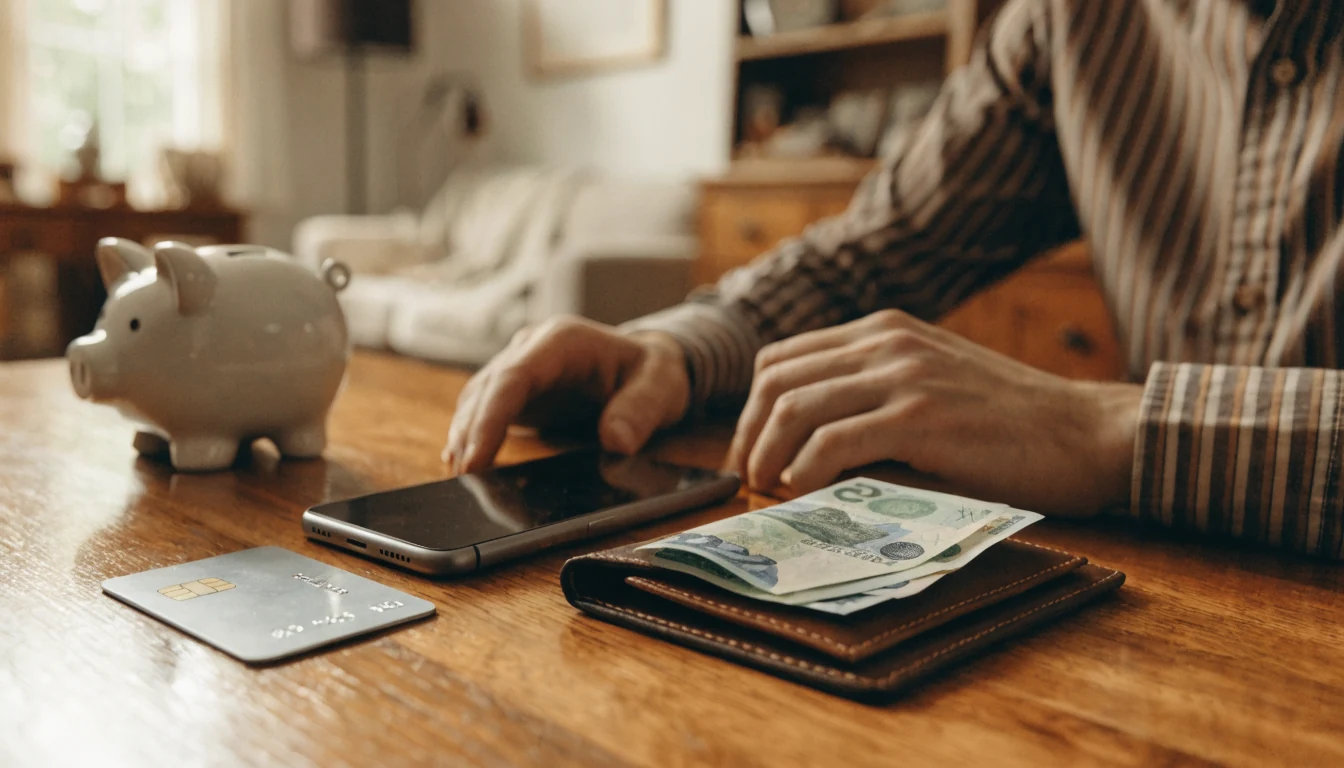
The practical meaning is simple: the phone bill funds the casino account, but it does not become a route for collecting winnings. A separate, verified payment method is part of the arrangement. The top-up is instant; the exit has paperwork.
Mobile Payments and Prepaid Vouchers
How UK Casino Withdrawals Reach the Bank
Can I use a credit card at a UK casino?
No. UK casino payments cannot be funded by credit card since April 2020.
Are there UK casinos that still accept credit cards?
No. UK gambling sites cannot accept credit-card payments since April 2020.
Why did the UK ban credit card gambling?
The provided information confirms that credit-card gambling was banned in the UK from April 2020, but does not give the reason for the ban.
What is the fastest withdrawal method at new UK casino sites?
E-wallets such as PayPal, Skrill and Neteller, as well as open-banking services such as Trustly, are generally the fastest payout methods after verification. They may pay within a few hours, while PayPal withdrawals can require an additional one to two business days to reach a bank.
Can I use a credit card to deposit at a UK gambling site?
No. UK gambling sites cannot accept credit-card deposits since April 2020.
Can you use a credit card at an online casino in Great Britain?
No. Credit-card payments cannot be used at online casinos in Great Britain since April 2020.
What are the best casino payment methods?
The best method depends on the transaction: debit cards offer broad acceptance and instant deposits, e-wallets and open banking are usually quickest for withdrawals, and bank transfers suit larger sums when speed is less important. Pay by mobile and Paysafecard are deposit-only options and do not support withdrawals.
Published by the Hub Casinouk Gb team.