Classic Slots Online UK: Reels, Symbols and Rules
 Available in GB
A clear guide to three-reel layouts, traditional symbols, online play and the UK context surrounding classic slot machines.
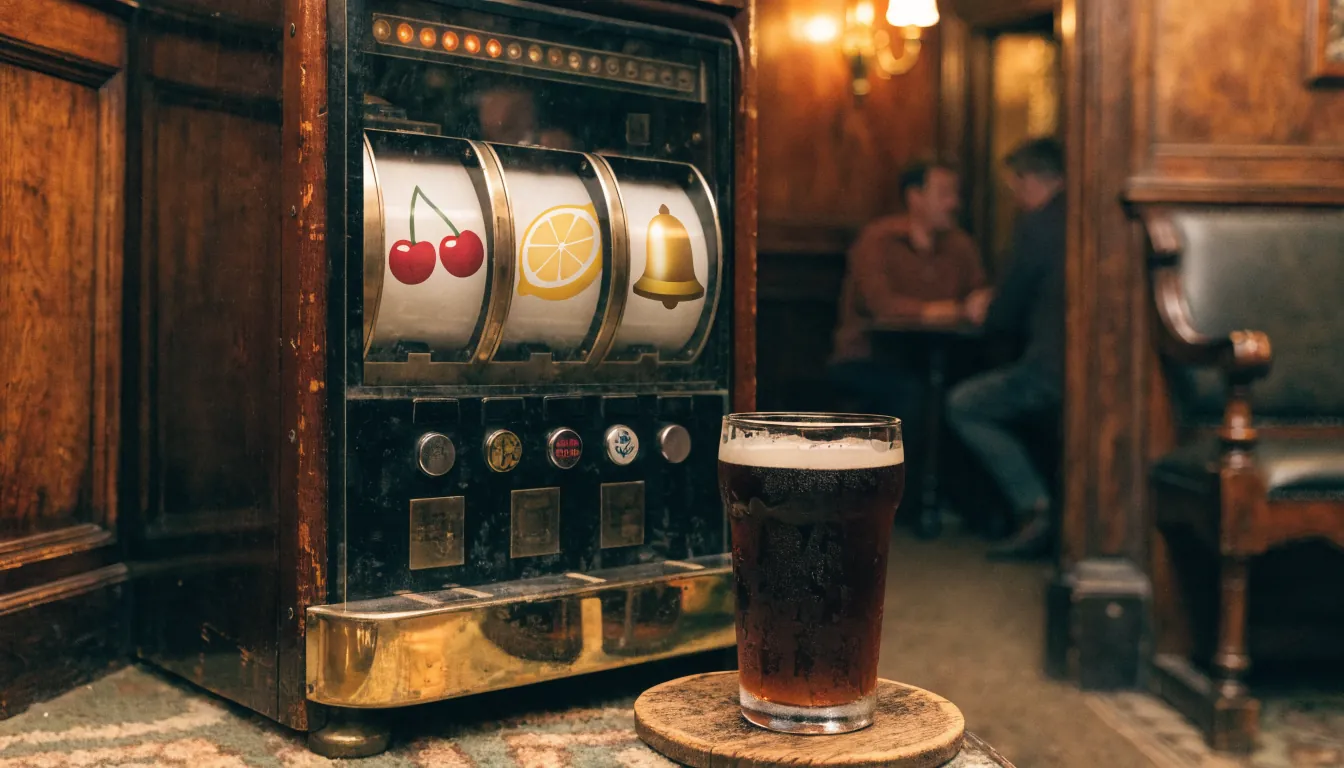
Table of Contents
- What Makes a Classic Slot Feel Classic?
- The Slot Machine Behind the Screen
- Choosing a Classic-Slot Casino Without Inventing a Winner
- Classic Slot Games: The Small Grammar of Reels
- How to Play a Classic Slot Online
- Real-Money Classic Slots and the UK Boundary
- The Classic Slot in the UK: Pub Culture and Regulation
- Free Classic Slots: Practice Without the Pub
- Why the Classic Fruit Slot Still Looks Familiar
- Reading Classic Slot Machine Symbols as Regulation in Miniature
What Makes a Classic Slot Feel Classic?
A classic slot is recognised almost before it is understood. The cabinet may have disappeared behind a screen, the metal handle may have become a button, and the illuminated glass may have been replaced by a clean digital interface. Yet the shape remains familiar: reels turning in columns, symbols settling into view, and a winning line judged by what appears across them.
The most recognisable form is the three-reel machine. Often called a three-reel classic slot, it presents a deliberately small visual field. There is no sprawling grid to survey and no elaborate map of features to learn. The eye moves from reel to reel, waiting for the symbols to stop. That pause is part of the design. It turns a simple result into a small piece of theatre.
The appeal is not only mechanical. It is linguistic. Traditional symbols act like a visual vocabulary shared across generations of gambling machines: fruit, bells, bars, lucky sevens and other compact signs that can be read quickly. They are not trying to build a fictional world. A classic slot does not need a narrative about kingdoms, expeditions or cosmic battles. Its world is the machine itself.
This page highlights UK-licensed operators for classic slots online in 2026. Use the listed bonus, payout speed and minimum deposit details to identify the options that best match your preferences.
License: UKGC Operator Licence · Bonus: £200 welcome bonus · Payout speed: Within 48 hours · Min. deposit: £10 32Red holds a UKGC Operator Licence and offers a £200 welcome bonus. Its minimum deposit is £10, with payouts stated as arriving within 48 hours.
License: UKGC Operator Licence · Bonus: £100 bonus · Payout speed: Within 24 hours · Min. deposit: £10 ProgressPlay Limited is a UKGC-licensed operator offering a £100 bonus. It lists a £10 minimum deposit and payouts within 24 hours.
License: UKGC Operator Licence · Bonus: £100 bonus · Payout speed: Within 24 hours · Min. deposit: £10 Genesis Global Limited operates under a UKGC Operator Licence and provides a £100 bonus. The minimum deposit is £10, while payouts are stated as within 24 hours.
License: UKGC Operator Licence · Bonus: £100 bonus · Payout speed: Within 24 hours · Min. deposit: £10 LeoVegas is a UKGC-licensed operator with a £100 bonus. It has a £10 minimum deposit and lists payouts within 24 hours.
License: UKGC Operator Licence · Bonus: £20 bonus · Payout speed: Within 48 hours · Min. deposit: £10 Silverbond Enterprises holds a UKGC Operator Licence and offers a £20 bonus. Its minimum deposit is £10, with payouts stated as arriving within 48 hours.
License: UKGC Operator Licence · Bonus: £50 bonus · Payout speed: Within 48 hours · Min. deposit: £10 Platinum Gaming Limited is licensed by the UKGC and offers a £50 bonus. It lists a £10 minimum deposit and payouts within 48 hours.
That restraint gives classic slots their particular atmosphere. Modern digital games often ask for attention through animation, sound, expanding screens and layered bonus features. A classic slot tends to do the opposite. It reduces the conversation to symbols, positions and outcomes. The format feels almost grammatical: a small number of signs arranged in a familiar order, with meaning produced when the reels stop.
Online, the same visual language survives in a changed setting. Classic slots online may appear within a casino interface rather than as a physical cabinet, but the central experience remains reel-based. The screen supplies the frame; the symbols supply the recognition. Online classic slots are therefore not simply old machines copied into software. They are an example of how gambling design carries its history forward, even when the surroundings have changed completely.
The British vocabulary makes this distinction worth noticing. In everyday speech, “slot” and “fruit machine” are common descriptions. In regulatory language, however, the preferred term is gaming machine. That term is broader and more exact. It describes a regulated machine category rather than a particular look, period or style. A bright digital display can still belong to the same legal conversation as a familiar reel-based cabinet.
This is where the phrase “classic slots UK” can become slightly misleading if treated as a legal category. Classic describes an aesthetic and mechanical tradition. It does not, by itself, identify a particular statutory category or tell the whole story about where a machine may be found. The United Kingdom organises gaming machines according to permitted stakes and prizes, while the classic appearance belongs to the machine’s presentation. Style and regulation overlap, but they are not twins.
That separation matters online as well. A page about classic slots online UK may evoke the old three-reel form, yet the regulated status of the service comes from the gambling activity and the operator’s position, not from the nostalgic appearance of the game. Operators providing online gambling services to consumers in Great Britain must hold a UK Gambling Commission licence, regardless of where they are based. The familiar symbols do not exempt a digital game from the rules. Nostalgia has never been a licensing category.

The classic slot also occupies an interesting place between object and ritual. In a physical venue, the machine has a presence: buttons, lights, a screen, perhaps the faintly public feeling of playing among strangers. Online, much of that social furniture falls away. What remains is the sequence of anticipation and resolution. A reel spins. A symbol appears. The machine records the result. The ritual becomes quieter, but not necessarily less recognisable.
This helps explain why 3 reel classic slots continue to make sense as a design idea. Their limited structure makes the result legible. There is less visual noise, fewer layers between the action and its consequence, and a stronger connection to the historical image of the slot machine. The format is not valuable because it promises a better outcome. Nothing about a classic appearance establishes a probability, a return or a particular gambling advantage. It simply makes the machine easy to identify.
The term “classic” also carries a cultural judgement. It suggests durability, but it can conceal how much the surrounding society has changed. Earlier machines were encountered in particular public settings and under particular rules; online classic slots belong to a more private, screen-based environment. The image travels more easily than the institution. A fruit symbol can cross decades without explaining the regulations that now govern the machine displaying it.
That is why a classic slot should be viewed in two ways at once. It is a compact game built around reels and visible symbols, and it is part of a wider system of regulated gambling machines. The first explains the attraction of the format. The second explains why appearance alone is never enough.
A small machine. A large rulebook.
The Slot Machine Behind the Screen
A classic slot machine is easy to recognise: a compact cabinet, a row of reels, a stake, and a prize determined by the machine’s outcome. Online, the cabinet disappears, but the regulatory question remains. The screen may show a neat three-reel design, yet the law is concerned less with nostalgia than with what can be staked and won.
That distinction matters in the United Kingdom. A familiar appearance does not create a separate legal category called “classic”. A machine’s classification follows the maximum stake and maximum prize available. The old visual language may survive intact while the legal status changes with the figures attached to it.

The machine is not the picture
Searches for classic 3 reel slot machines, classic slot machine games, or classic slots online real money often treat the format as though it were the important fact. It is important culturally. It is not sufficient legally.
A three-reel design can suggest the older British fruit-machine tradition: limited reels, repeated symbols, and a direct relationship between the visible result and the prize. But UK law organises gaming machines through categories. Those categories are A, B1, B2, B3, B3A, B4, C, and D.
The category is not chosen because a cabinet looks modern or old-fashioned. It is linked to the maximum stake and prize. That is why the same broad idea—a machine accepting a stake and returning a prize according to an outcome—must be read alongside its permitted limits.
A machine can therefore be classic in design without being Category C. Conversely, a Category C machine may carry the recognisable character of a classic British pub fruit machine even when its presentation is not identical to an older mechanical model. Appearance tells a story. The category supplies the legal grammar.
Category A: the line the system excludes
Category A machines are the only gaming machines with unlimited stakes and prizes. They sit at the edge of the classification system, and that is precisely why they cannot be treated as an ordinary option in a discussion of classic slots.
The useful point is not that a traditional-looking machine might somehow belong there. It is that Category A marks the absence of the ordinary statutory ceiling. The permitted categories are defined around controlled maximum stakes and prizes; Category A is the exceptional category associated with unlimited amounts. It is not a casual extension of a pub machine, nor a premium version of an online classic.
That boundary prevents a misleading picture of “classic slots real money” as one continuous family, stretching from a modest fruit-machine format to unrestricted play. The visual design may be continuous. The legal framework is not.
No category A gaming machines are currently permitted.
A short boundary. A significant one.
Category C and the British reference point
Category C is the clearest legal bridge between the phrase “classic slot machine” and the British social memory attached to it. Category C machines are the classic British pub fruit machine, with a maximum stake of £1 and a maximum prize of £100.
Classic British pub fruit machines with a maximum stake of £1 and a maximum prize of £100.
Casino-based machines with a maximum stake of £5 and a maximum prize of £10,000.
Lottery-style machines with a maximum stake of £2 and a maximum prize of £500.
Those figures do more than describe a payment range. They locate the machine within a particular public setting and a particular idea of proportion. The machine is neither merely an amusement nor an unlimited gambling device. It is a regulated gaming machine whose familiar form has been allowed to remain part of licensed premises culture.
That does not make every classic-looking online game a Category C machine. An online presentation may borrow reels, fruit symbols, or a plain cabinet-like interface without reproducing the legal conditions of a physical pub machine. The phrase “classic” describes a format and a cultural reference. Category C describes a regulated machine type.
This is why free classic slot games and free online classic slot games belong to a different conversation from real-money machine categories. Removing the stake changes the practical experience, but it does not turn a screen-based imitation into a pub machine. The image may be borrowed; the setting and legal classification are not.
What the player is meant to see
The regulatory system also insists that the machine’s financial character should not be hidden behind its nostalgic appearance. For B1 machines, there is no minimum RTP requirement, but the minimum average return must be displayed to the player.
That rule is revealing. It does not promise a favourable outcome, and it does not turn a machine into a good bargain. It requires the relevant return information to be visible. The polished simplicity of a classic design cannot be allowed to substitute for disclosure.
The same principle explains why “slot machine classic” is a poor legal description. It focuses on the surface: reels, symbols, and the promise of a compact game. The classification asks different questions. What is the maximum stake? What is the maximum prize? Which category follows from those limits? What information must be displayed?
The old machine survives most convincingly as an arrangement of expectations: a small number of reels, an immediate result, and a prize structure that appears easy to read. UK regulation places that arrangement inside a more exact system. Nostalgia may decorate the machine. It does not classify it.
From cabinet to screen
Online classic slots real money and play classic slot machines online free are often described with the same vocabulary because both can reproduce the look of a traditional machine. Yet the category system belongs to the machine and its regulated conditions, not to the adjective “classic”.
A screen can imitate the silhouette of a cabinet without carrying the legal identity of a Category C machine. A physical gaming machine can look simple while operating under a category defined by its stake and prize. The three reels are the visible part. The limits are the consequential part.
That is the quiet achievement of the UK framework: it refuses to let a familiar face settle a legal question. Behind the screen, or behind the glass, the machine still has to be understood by what it permits.
Choosing a Classic-Slot Casino Without Inventing a Winner
A search for the best classic slots casino in the UK sounds as though it should end with a name. The available evidence does not permit that shortcut. No verified operator or brand has been supplied for comparison, and a confident ranking would therefore be decoration rather than research. A more useful question is what a casino offering classic slots must be able to demonstrate.
Verifying Lawful Offers
- Check the operator against the UK Gambling Commission public register
- Verify that the licence number matches the website domain
- Ensure the game has a valid Technical Standards Certificate
- Confirm the displayed RTP values are verified by an independent test house
The first requirement is lawful operation. Operators providing online gambling services to consumers in Great Britain must hold a UK Gambling Commission licence, regardless of where the operator is based. Online gambling also requires a remote operating licence. The Commission’s public register lists current operating and personal licences, allowing the operator name or licence number to be checked against the listed domain.
That check matters because a polished website proves very little. A familiar logo, a promising games page and a phrase such as “classic slots for real money” do not establish legal status. The relevant evidence sits in the regulatory record. The UKGC assesses identity and ownership, finances, integrity, competence and criminality before issuing a licence. Its register is less glamorous than a banner promising the best online classic slots casino. It is also more useful.
What a lawful offer should show
A casino’s compliance is not confined to its footer. The games themselves must fit the relevant regulatory framework, and gaming machines must carry a Technical Standards Certificate before placement. Categories B1, B2, B3 and B3A must be tested by an independent test house. Their displayed RTP values must be verified by the manufacturer or an accredited test house.
For B1 machines, the theoretical target percentage return to player must be displayed to the player. There is no minimum RTP requirement for B1 machines, but the return information must still be visible. This distinction is easy to miss: disclosure is required even where the law does not impose a minimum return.
Category D machines also require theoretical target RTP information unless they are crane grab or penny falls machines. A crane grab machine has a maximum stake of £1 and a maximum non-monetary prize of £50. That belongs to the physical-machine framework, not to an online casino’s ordinary slot catalogue, but it illustrates why the word “classic” cannot replace a machine category. Appearance is not classification.
Premises are part of the answer
The phrase “classic slots site” can blur two different settings: remote gambling online and gaming machines in licensed premises. The legal location of a machine matters.
Category B1 machines can only be made available in casinos. Category B2 machines may be located in casinos operating under the 2005 Act or the 1968 Act, betting shops and tracks with pool betting. Category B3 machines may be made available in casinos, betting shops, tracks with pool betting, bingo premises and adult gaming centres. An Adult Gaming Centre licence permits unlimited Category B3, C and D machines.
Category C machines may be found in pubs, licensed family entertainment centres, clubs, bingo premises, adult gaming centres, betting shops, tracks with pool betting and casinos. An alcohol-licensed pub is automatically entitled to up to two Category C or D machines if it notifies the local licensing authority. More than two requires a formal Licensed Premises Gaming Machine Permit.
These permissions are not interchangeable. A casino website cannot turn every familiar reel-based design into a Category B3 machine, and a pub’s entitlement does not create a general licence for every gambling product. The setting carries legal meaning.
Information before enthusiasm
The most reliable way to assess an online offer is therefore documentary rather than emotional. The operator should be identifiable in the UKGC register, the relevant licence should correspond with the domain, and the game information should not conceal the applicable return details. Testing should be attributable to an independent test house where the category requires it. The machine should have the necessary Technical Standards Certificate before placement.

That standard does not produce a list of “best classic slots to play online”. It produces something quieter: a boundary between an accountable gambling service and an attractive page making claims that cannot be checked. The absence of a named winner is not a gap to fill with invention. It is a reason to describe the test.
The same caution applies to free classic slots with no download. A free-play presentation may imitate the look of a reel-based game, but it does not establish that the equivalent real-money product is lawful, tested or offered under the same conditions. Nor does “online for real money” establish anything by itself. The legal question remains whether the operator providing the service to Great Britain holds the required UKGC licence.
No reliable basis is available here for naming a best classic slots casino UK, a best classic slots site or a best online classic slots casino. What can be stated is the standard: verifiable licensing, appropriate testing, visible return information and a lawful setting. Everything else is sales language.
Classic Slot Games: The Small Grammar of Reels
A classic slot game is a small piece of theatre. Its vocabulary is narrow: reels, visible symbols, winning combinations, prizes and the pause before an outcome settles into place. That economy is part of its appeal. Nothing needs to explain a fictional world, introduce a cast or interrupt the rhythm with a map. The machine presents a compact sentence and waits for the result.
The familiar reel-based type is often described in everyday language as a classic slot, although the regulatory vocabulary is less sentimental. A game may look old-fashioned without belonging to a particular legal category. The appearance suggests continuity; the rules determine what kind of gaming machine it is and where it may be found.
A game made of repeated signs
The visual language of classic casino slot games is deliberately legible. Fruit, bells, bars and other recurring signs do not ask for interpretation. They belong to a shared shorthand, inherited from the public amusements that gave fruit imagery its durable place in British gaming culture. The point is not realism. A cherry is a cherry, and the machine has no interest in making the matter complicated.
Reels give the game its visible structure. Symbols pass through a narrow frame, then stop in an arrangement that can be compared with the machine’s prize information. The player is not navigating a landscape or solving a puzzle. The game’s drama is spatial and brief: what appears, where it appears and whether the resulting pattern qualifies for a prize.
That simplicity can be misleading. A small display does not mean a small regulatory footprint. The same visual grammar can sit inside machines with different stakes, prizes, locations and age conditions. In Britain, the surrounding category matters as much as the familiar picture on the screen.
When the same language belongs to different machines
Category B3A gaming machines show how appearance and legal identity can part company. Their game type is limited to lottery-style games, and the outcome is predetermined by the virtual lottery ticket selected when the game starts. They have a maximum stake of £2 and a maximum prize of £500. The result may be presented through a compact, recognisable interface, but its underlying structure is not simply the traditional reel sequence imagined by the phrase “classic slot”.
The setting is restricted too: Category B3A machines may be located only in members’ clubs or miners’ welfare institutes, with a maximum of one machine. A familiar display, therefore, does not grant the game a universal social habitat. A machine can borrow the look of a slot while belonging to a tightly defined regulatory arrangement.
Category B3A specifics
Category B3A machines are gaming machines with a specific lottery-style format. They have a maximum stake of £2 and a maximum prize of £500, and are limited to locations such as members’ clubs or miners’ welfare institutes.
Category B4 machines occupy another part of that landscape. They can appear in clubs, bingo premises and adult gaming centres. The important distinction is not that every B4 game has a particular set of fruit symbols, but that the category describes the machine’s permitted environment. A classic-looking game encountered in a club is not automatically interchangeable with one encountered in a bingo premises or an adult gaming centre. The room is part of the meaning.
The low-stakes end of the grammar
Category D machines are generally associated with low-stake fruit machine-style machines, coin pushers and crane grabs. Here the word “fruit” points towards a style rather than a promise about a single design. Some machines use reels or reel-like displays; others turn the player’s attention towards moving objects, physical prizes or a simple mechanical sequence.
Category D has five different combinations of stake and prize. That detail resists the lazy idea that every low-stakes amusement machine is the same. A coin pusher and a crane grab may share a public, playful atmosphere, yet their mechanics and prize forms are different. Some Category D machines are designed or adapted to play bingo as a prize game, showing again that a familiar amusement setting can contain more than one kind of outcome.
This is where the phrase “classic fruit slot game” becomes culturally useful but legally incomplete. It evokes a recognisable object: compact, bright, repetitive and slightly theatrical. It does not identify the machine’s category by itself. Nor does “classic slot games free” describe a legal status; it describes an experience in which the visible grammar may be reproduced without establishing the same machine environment. The image travels easily. The classification does not.

Why presentation still matters
A game’s presentation tells a story about the expectations built around it. Reels suggest anticipation. Symbols suggest a code that can be learned quickly. Prize information turns the final arrangement into something more than decoration. Even the sound and pause between movement and settlement belong to the grammar, though the grammar remains intentionally modest.
That modesty is social as well as technical. Classic machines do not demand prolonged attention in the manner of a large entertainment product. They fit beside other activities, in rooms where gambling may be one attraction among several. Regulation recognises this difference by placing machine categories in different premises and attaching different conditions to them. The apparently humble game is therefore surrounded by a careful architecture of permission.
The result is a peculiar British compromise. The classic slot looks like a universal object, but it is never merely an object. Its reels carry one message; its category carries another.
Small game. Large rulebook.
How to Play a Classic Slot Online
Playing a classic slot online is usually presented as a short sequence: open the game, choose a stake, start the reels, and read the result. The familiar rhythm comes from its restraint. There is no need for a catalogue of named titles here; the important point is how a reel-based game is distinguished from other regulated products.
The basic sequence
A player first enters an online gambling service and selects a classic reel-based game. The stake is chosen through the game controls, after which the reels are set in motion. The displayed symbols form an outcome, and any prize is determined by the game’s rules. The process is mechanical in appearance, even when the screen has acquired the polished manners of modern software.
Pay Information
The paytable explains which symbol arrangements produce a prize and how the selected stake relates to the outcome.
The pay information should be read before play begins. It explains which symbol arrangements produce a prize and how the selected stake relates to the result. A classic design may look spare, but spare design is not the same as simple regulation. The machine or game still belongs to a defined gambling framework.
Online gambling services provided to consumers in Great Britain must hold a UK Gambling Commission operating licence. A remote operating licence is required for online gambling activities in Great Britain. That legal boundary matters more than the fruit imagery: a familiar screen does not turn an unregulated service into a lawful one.
Not every ticket is a slot
A lottery ticket vending machine is subject to a different boundary. It must not require skill or gameplay. It must also avoid determining the lottery outcome or displaying the result within less than one hour, because doing so would bring it within the classification of a gaming machine.
The distinction is deliberately technical. A ticket can be sold by a machine without becoming a slot, while a game that presents an immediate, machine-determined result belongs to another category. Machinery may look neutral; the law is less sentimental.
The B3A distinction
Category B3A machines are gaming machines rather than lottery products, although their game type is limited to lottery-style games. Their outcome is predetermined by the virtual lottery ticket selected when the game starts. That means the apparent sequence on screen should not be confused with a player exercising skill or influencing the result.
This is why “play online classic slot” cannot be treated as a complete description of every game with reels or lottery imagery. Ordinary gameplay, a lottery ticket transaction and a B3A machine may borrow visual habits from one another while remaining legally different things. The screen is shared; the classification is not.
Real-Money Classic Slots and the UK Boundary
Real-money classic slots in the UK sit on a clear legal boundary. Online gambling is not an informal extension of a pub machine: operators providing online gambling to consumers in Great Britain must hold a UK Gambling Commission licence, and remote gambling requires a remote operating licence. The same principle applies when the familiar reel-based form appears as a physical gaming machine. Money changes the character of the pastime. Regulation follows.
For higher-stakes machines, the category matters more than the nostalgic artwork. Category B1 machines have a maximum stake of £5 and a maximum prize of £10,000. They may also offer a linked progressive jackpot of up to £20,000 on a premises basis. These figures describe the legal envelope, not a promise of what any particular machine will return. The old fruit-machine vocabulary is rather less helpful here than the dry language of categories.
B1 machines can only be made available in casinos. That restriction places the game inside premises licensed for gambling, rather than treating it as an incidental attraction in another business. Category B1 machines must be tested by an independent test house, and every gaming machine must carry a Technical Standards Certificate before placement. The machine is therefore not merely a cabinet with reels and a payment mechanism; it is equipment admitted to the market through a defined regulatory process.
Return information must also be visible. B1 machines have no minimum RTP requirement, but the minimum average return must be displayed to the player. The absence of a mandated minimum does not remove the duty to disclose. It makes the displayed information more important, because the machine’s stated return is part of the information available before play.
Regulatory Summary
- Real-money play requires a valid UKGC operating licence and a remote operating licence.
- B1 machines must display their minimum average return to the player.
- Age restrictions apply, with the general legal gambling age in the UK being 18.
- All equipment must carry a Technical Standards Certificate before placement.
Age control is equally structural. The general legal gambling age in the UK is 18, and the regulated setting must prevent under-18s from playing the relevant machine. For B1 machines, the casino environment is not a decorative backdrop. It is part of the safeguard.
Real-money play, then, is not simply classic imagery with a balance attached. It is licensed activity, tested equipment, visible information and controlled access. Nostalgia supplies the costume. Regulation supplies the boundary.
The Classic Slot in the UK: Pub Culture and Regulation
The classic slot UK players recognise most readily is not necessarily found in a casino. It belongs to the pub: beside the fruit machine, near the bar, in that peculiar British territory where conversation, crisps and regulated gambling share the same room.
Legally, this familiar machine is a Category C gaming machine. It has a maximum stake of £1 and a maximum prize of £100. Those limits give the machine its particular social scale. It is neither a harmless ornament nor a casino-style attraction, but a controlled form of gambling fitted into an ordinary licensed premises.
An alcohol-licensed pub is automatically entitled to up to two Category C or Category D gaming machines, provided it notifies the local licensing authority. The entitlement is deliberately limited. A pub is allowed to offer a small amount of machine gambling without becoming an arcade by another name. For more than two machines, a formal Licensed Premises Gaming Machine Permit is required.
That arrangement says something about British regulation: location matters as much as design. The same reel-based image can carry a different legal meaning depending on whether it sits in a pub, casino, betting shop or adult gaming centre. The machine is never merely furniture.

The pub also supplies the cultural explanation for the fruit machine’s endurance. It is public, but not theatrical; available, but not the centre of the evening. A person may play while waiting for a drink, while friends talk, or while the room carries on around them. Gambling becomes part of the background—visible enough to regulate, ordinary enough to ignore.
Not entirely ordinary.
Category C machines are restricted to adults aged 18 and over. Their presence therefore depends on both the premises and the boundaries placed around them. The pub’s informality stops at the law.
Free Classic Slots: Practice Without the Pub
A free classic slot offers a way to encounter the old reel-based form without placing a coin in a machine or entering a licensed pub. The experience is simulated: reels turn on a screen, symbols settle into an outcome, and the interface presents the result as play. No regulated gaming machine is being operated merely because its appearance has been reproduced online.
That distinction matters. A free-play version can show the compact grammar of the format: reels, symbols, a stake display and a paytable. It may also preserve the visual habits associated with British amusement machines, where bright fruit and simple win lines did more cultural work than their modest graphics suggested. Yet resemblance is not legal identity. A screen imitation is not evidence of how a real-money machine is classified, tested or permitted to operate.
Nor does free play demonstrate real-money performance. It cannot establish a return figure for a regulated machine, and it says nothing about the conditions attached to gambling in licensed premises. The practice version is therefore best understood as an illustration, not a forecast. It teaches the shape of the game while leaving the economics outside the room.
The setting changes the social meaning as well. A machine in a pub belongs to a regulated environment, with rules concerning premises, equipment and access. A free version removes that physical setting and its immediate exchange of money. The result is quieter, cleaner and less revealing about the institution behind the screen.
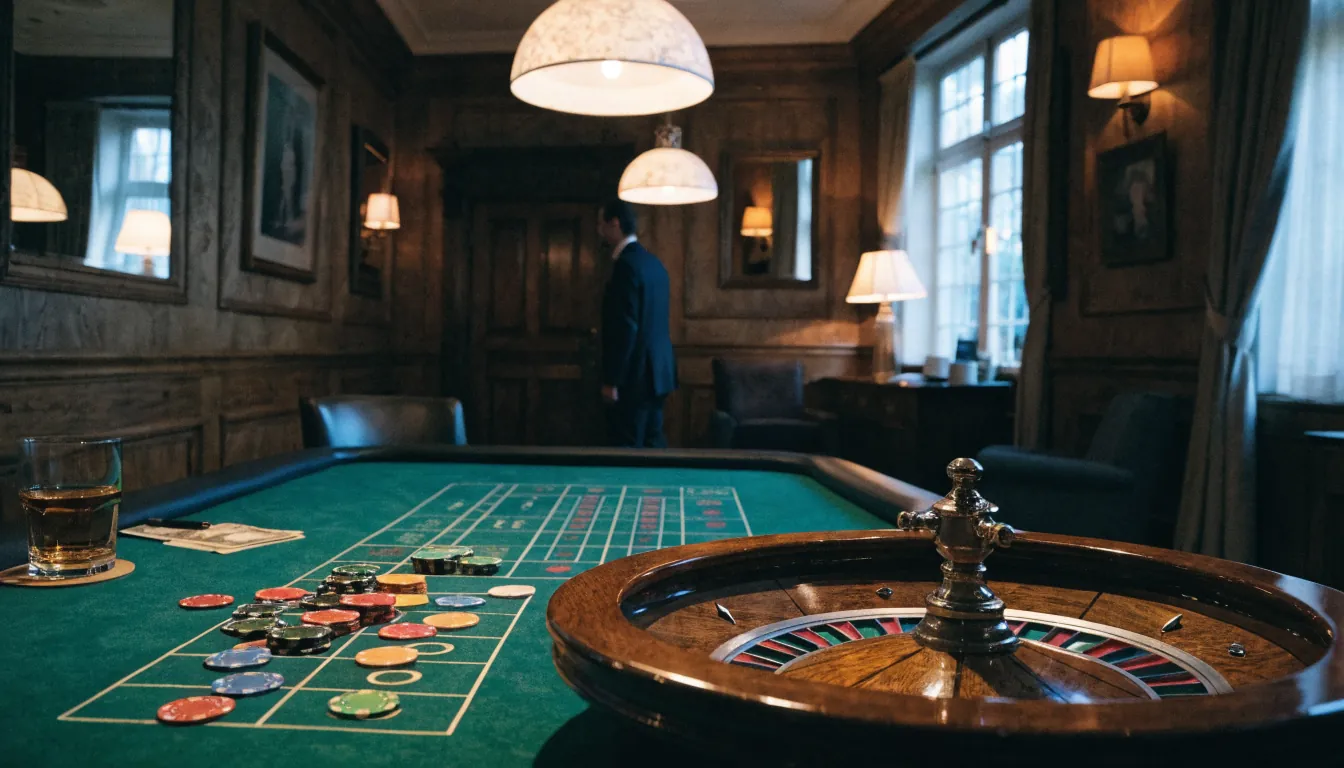
There is one useful legal contrast. Category D machines have no age restriction, but that fact belongs to the regulated machine category, not to every online simulation that borrows its imagery. A fruit-coloured interface does not inherit the status of a Category D machine.
A rehearsal, not a receipt.
Why the Classic Fruit Slot Still Looks Familiar
The classic fruit slot survives because its visual language is almost stubbornly economical. Fruit, bells, bars and bright geometric shapes do not need a manual to suggest reward. They belong to an older amusement tradition in which the machine had to explain itself from across a noisy room. A cherry could do the work of a paragraph.
In the UK, that tradition has a precise low-stakes expression in the Category D gaming machine. These machines are generally fruit-machine style games, though the same category also includes coin pushers and crane grabs. The legal category is therefore broader than the familiar reel-based cabinet, even if the fruit machine remains its most recognisable emblem.
That recognisability is cultural as much as mechanical. The fruit design belongs to cafés, family amusements and travelling entertainment, where the machine is part of the scenery rather than the centre of a gambling floor. Travelling fairs may site any number of Category D gaming machines, giving the format a setting in which noise, lights and movement matter as much as the result on the reels.
The machine’s appearance also carries a curious promise of modesty. It looks less like a financial instrument than a piece of public entertainment: compact, colourful and faintly theatrical. That impression is not a statement about outcomes. It is a statement about design, and design has always been good at making restraint look cheerful.
Category D is not a synonym for every familiar UK fruit machine. The category describes the permitted machine type and its low-stake character; the surrounding setting supplies the atmosphere. At a fair, the fruit machine shares attention with rides and prizes. Its appeal is immediate, public and uncomplicated.
A small machine. A long memory.
Reading Classic Slot Machine Symbols as Regulation in Miniature
Classic slot machine symbols are a small visual language: fruit, bars, bells and other familiar marks compressed into a row of reels. Their job is immediate recognition. Before a rule is read, the machine has already announced its character. It looks old-fashioned, legible and faintly cheerful, which is a useful disguise for a regulated gambling device.
Yet appearance is only the outer layer. In the UK, the important information is not carried by cherries or lucky sevens. It is carried by the machine’s disclosures: the stake, the available prize and the return information required for the relevant category. A colourful symbol cannot make an uncertain machine transparent.
This distinction matters particularly where the machine offers substantial prizes. Category B1 machines have no minimum RTP requirement, but the minimum average return must be displayed to the player. The figure is therefore not a promise of an individual result. It is part of the machine’s declared operating information, placed beside the visual shorthand rather than hidden behind it.
The contrast is revealing. A fruit symbol suggests continuity with the public’s memory of the fruit machine; displayed information states what the machine is permitted to do. One belongs to culture. The other belongs to compliance.
Even a low-stakes Amusement With Prizes machine has a defined frame: money-prize AWP machines allow a 10p stake and up to a £5 cash prize. Those limits say more than the artwork. They locate the machine within a legal category, while the symbols merely make the category feel familiar.
That is the quiet trick of the classic form. It turns regulation into something that can sit beneath bright glass and still resemble entertainment. The reels tell the story quickly. The disclosures tell the truth.
Published by the Hub Casinouk Gb team.